
“Why do Japanese families start their New Year by eating shiny black beans? And why is that sweet chestnut mash colored a bright, shimmering gold?
As it turns out, Osechi Ryori—Japan’s traditional New Year feast—is so much more than just a meal. Each bite carries a ‘hidden message’ or a silent prayer for the months ahead. Whether it’s a wish for robust health, financial success, or the joy of a growing family, every ingredient has a story to tell.
In this post, I’m taking you beyond the usual tourist spots and straight into the heart of a real Japanese New Year. From the stunning art of the jubako (lacquer boxes) to the deep symbolism behind every flavor, here is my personal guide to the traditions that make this the most important holiday in Japan.”
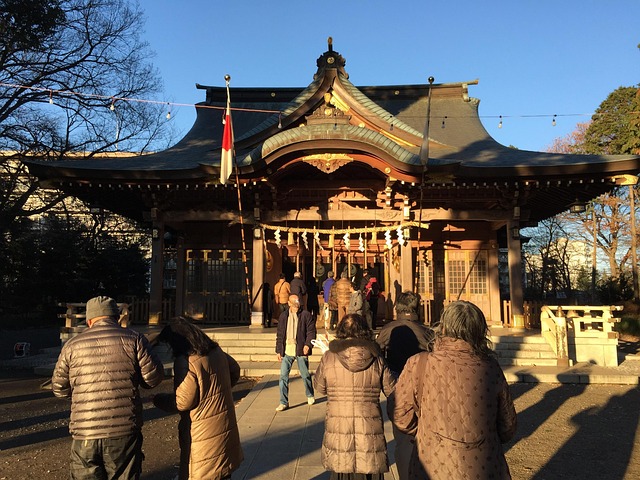
In Japan, New Year’s Day, or Oshogatsu, isn’t just another public holiday; it’s arguably the most important celebration of the entire year. It’s a time when everything pauses, businesses close their doors, and families across the nation come together. While some venture out for Hatsumode—the first shrine or temple visit of the year—the core of this special day is often spent at home, creating cherished memories with loved ones.
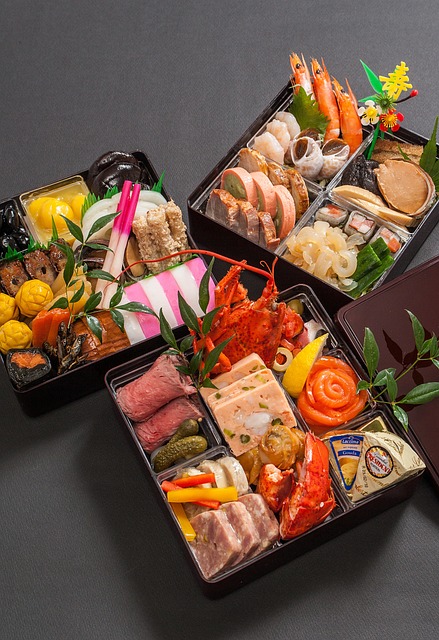
And at the very center of these family gatherings is Osechi Ryori. It’s more than just a traditional meal; it’s a centerpiece, a conversation starter, and a delicious manifestation of hopes for the new year. This custom of sharing Osechi at the start of January has been passed down through generations, making it an indispensable part of what it truly means to experience a Japanese New Year.
The Symbols of Luck: Inside the Osechi Box
Each dish in an Osechi box is chosen for its color, shape, or name, acting as a delicious “good luck charm.” Here are a few of the most essential items you’ll find in a real Japanese home.
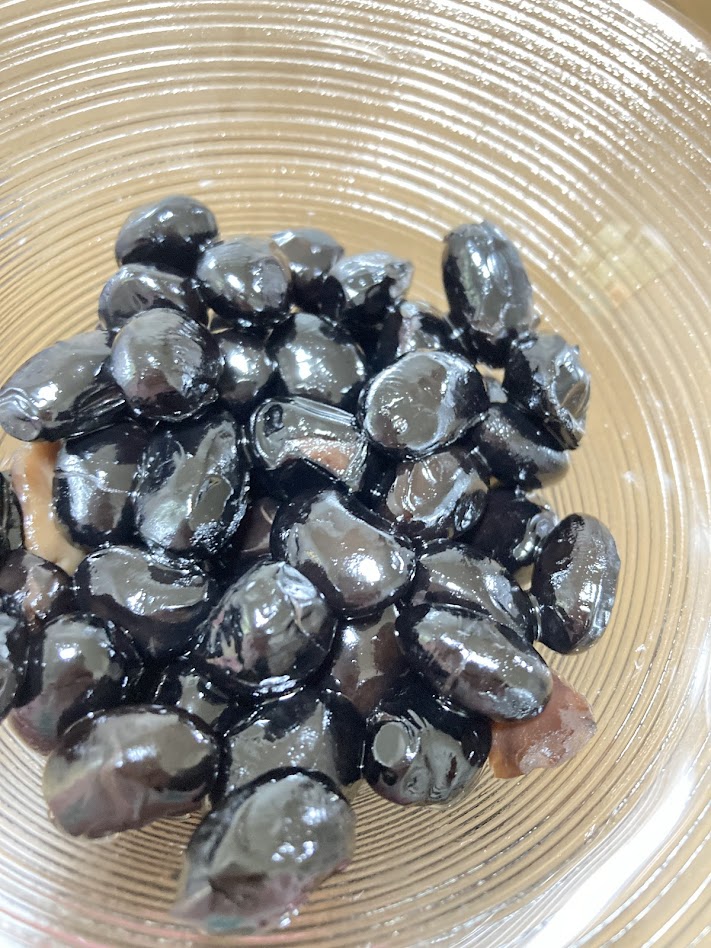
Kuromame (Sweet Black Beans) for Health
The word mame in Japanese means “bean,” but it also sounds like the word for “working diligently” or “living healthily.” By eating these glossy, sweet beans, we pray to live and work energetically throughout the coming year. It’s the ultimate “health kick” to start your January!
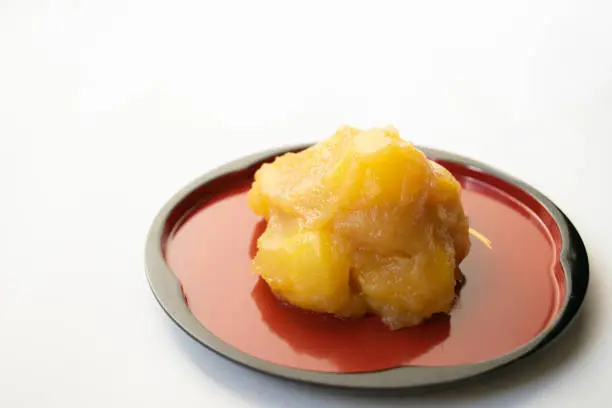
Kurikinton (Candied Chestnuts with Sweet Potato) for Wealth
With its vibrant, golden hue, Kurikinton represents gold coins and treasure. This mashed sweet potato and chestnut dish is a favorite for kids (and adults with a sweet tooth!), but it’s also a serious wish for financial prosperity and good fortune in business.
Ebi (Simmered Prawns) for Longevity
Have you ever noticed how a cooked prawn is hunched over? In Japan, that curved back and long “whiskers” remind us of an elderly person. Eating Ebi is a wish for a long life—so long, in fact, that your back eventually curves just like the prawn’s!
Beyond the Food: The Spirit of Oshogatsu
A “real” Japanese New Year isn’t just about the food on the plate; it’s about the atmosphere. It is the quietest time of the year in Japan. Most businesses close, and families spend three days together, relaxing and grazing on Osechi.
Since traditional Osechi is prepared to last for several days without refrigeration, it allows everyone—especially the person usually busy in the kitchen—to take a break from cooking and enjoy the start of the year in peace.
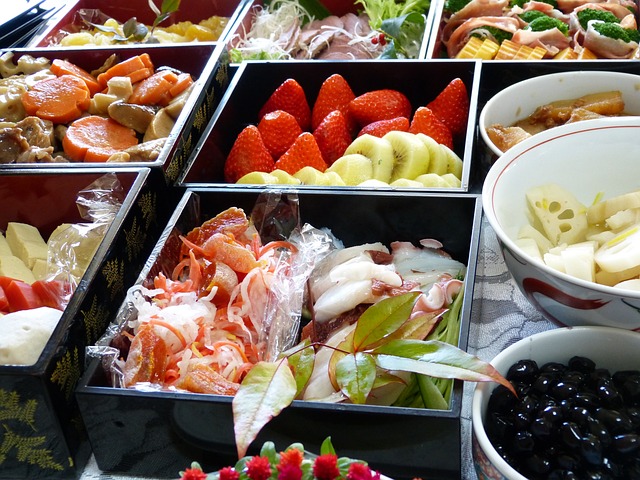
The Honest Truth About Osechi
“I’ve spent this post showing you the beauty and tradition of the Japanese New Year meal, but I have a little confession to make.
To tell you the truth, Osechi Ryori is essentially a type of preservation food. Traditionally, it was designed to last for several days so that no one had to cook during the holidays. Because of this, the flavors are very concentrated, and some dishes have a surprisingly long shelf life.
If I’m being completely honest? I’m not the biggest fan of everything in the box! While I love picking out my favorites—like the sweet, golden Kurikinton—given the choice, I’d usually prefer a fresh plate of sushi, some premium sashimi, or a steaming bowl of ramen.
However, despite my personal cravings, I believe it’s so important to keep this tradition alive. Whether it’s through a real feast on the table, reading about it in a book, or just sharing these stories with my kids, it’s about passing down the spirit of our culture to the next generation.

コメント