
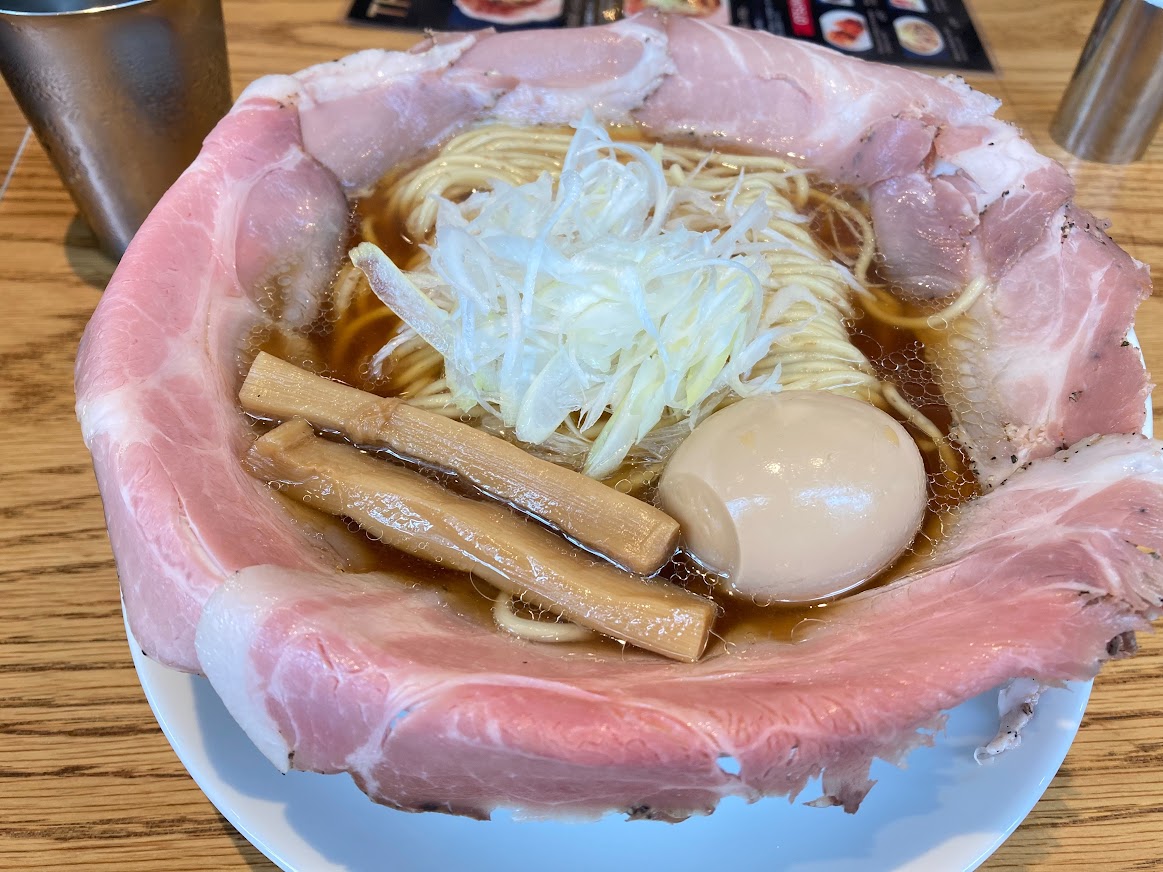
Everything you need to know before stepping into a Japanese ramen shop.
Visiting Japan and craving an authentic bowl of ramen? Amazing choice — but ordering can sometimes feel intimidating, especially if the shop uses ticket machines or doesn’t offer English menus.
Don’t worry! This beginner-friendly guide will help you order ramen confidently anywhere in Japan.
1. Know the Main Ramen Types
Before you order, it helps to know the 4 classic ramen styles:
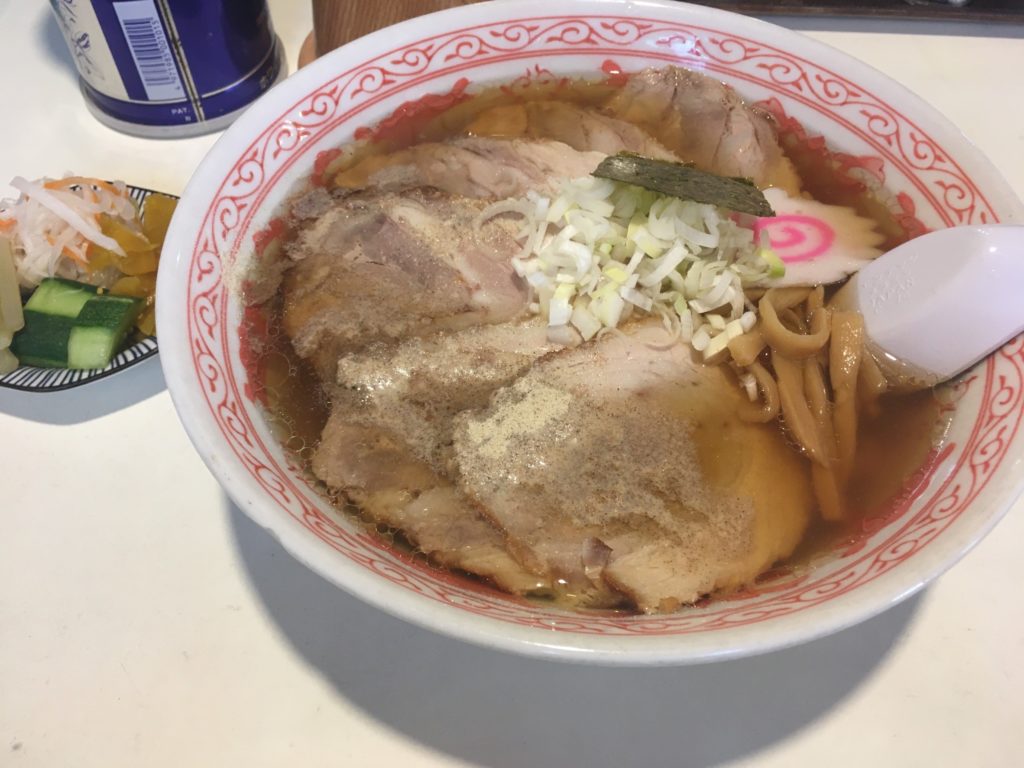
🍜 Shoyu (醤油) – Soy sauce base
Light, savory, and popular everywhere.
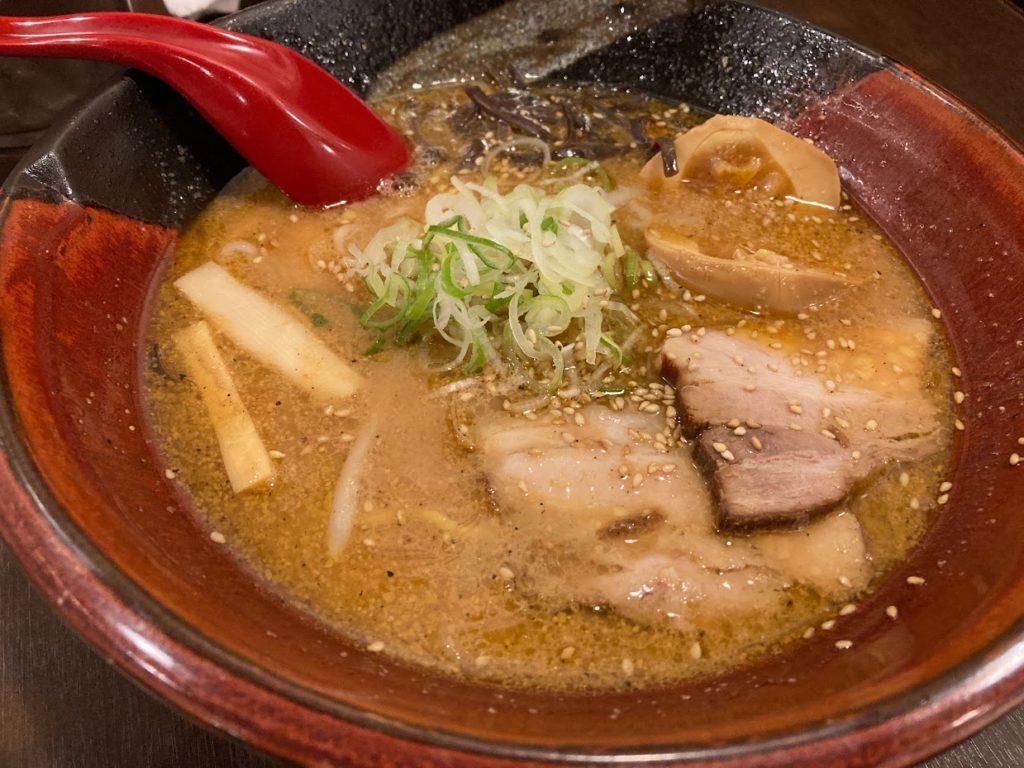
🍜 Miso (味噌) – Fermented soybean paste
Rich, fragrant, and especially famous in Hokkaido.
🍜 Shio (塩) – Salt base
Clear, light, and simple.
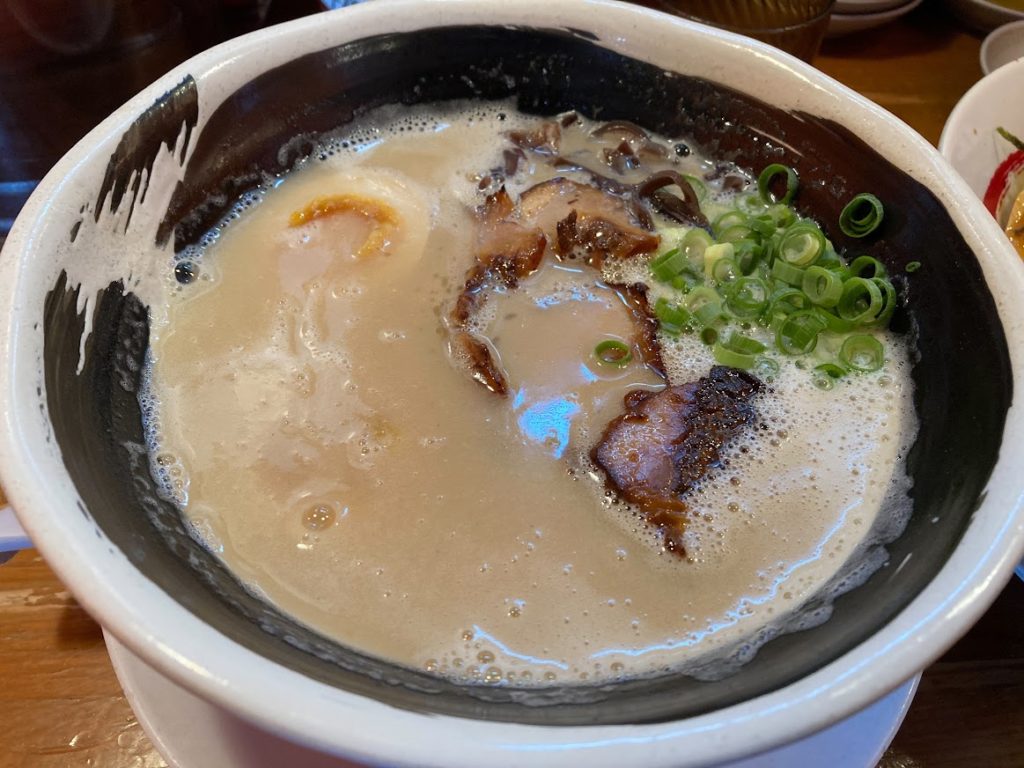
🍜 Tonkotsu (豚骨) – Pork bone broth
Creamy, thick, and beloved in Kyushu.
If you’re not sure which one to try:
➡ Start with Shoyu or Tonkotsu. They’re the most beginner-friendly.
2. Understanding a Ramen Restaurant in Japan
Japan has two main types of ramen shops:
1) Ticket Machine Shops (食券機)

Most casual ramen stores use a vending machine at the entrance.
You buy a ticket → hand it to the staff → sit down.
No Japanese? No problem:
Most ticket machines are easy to use. First, put money into the machine. Many machines have photos, and you can simply choose the top-left button — it’s usually the shop’s signature ramen.
2) Staff-Takes-Your-Order Shops
These often provide English menus, especially in big cities.
Just tell them your ramen order and any customizations.
3. Customizing Your Ramen
Most shops let you customize:
Noodle firmness
- Kata (硬め) = firm
- Futsu (普通) = normal
- Yawa (柔らかめ) = soft
Broth richness
- Koi (濃い) = rich
- Futsu (普通) = normal
- Usu (薄い) = lighter
Oil level
- Oome (多め) = more oil
- Sukuname (少なめ) = less oil

If unsure →
➡ Just say “Futsu de onegaishimasu” (Normal, please).
4. Useful Phrases to Order Ramen
Even if you don’t speak Japanese, these simple phrases help a lot:
- “Ramen hitotsu onegaishimasu.”
→ One ramen, please. - “Osusume wa nan desu ka?”
→ What do you recommend? - “Mizu kudasai.”
→ Water, please. - “Kaedama onegaishimasu.”
→ Extra noodles, please. (Common in tonkotsu shops) - “Okaikei onegaishimasu.”
→ Check, please.
5. Ramen Toppings You Should Know
Popular toppings you’ll see on menus:
- Chashu (チャーシュー) – braised pork
- Ajitama (味玉) – seasoned soft-boiled egg
- Negi (ねぎ) – chopped green onions
- Nori (のり) – seaweed
- Menma (メンマ) – bamboo shoots
- Corn & Butter (especially in Hokkaido)
Pro tip:
Always get the “ajitama” egg — it’s one of the best parts of Japanese ramen.
6. How to Eat Ramen Properly
Ramen etiquette is simple:
✔ Slurping is OK
It’s cultural, and it even helps cool the noodles.
✔ Eat quickly
Ramen is served at the perfect temperature — the noodles get soggy if you wait too long.
✔ Don’t mix condiments first
Try the original broth before adding chili oil, vinegar, or garlic.
7. Step-by-Step: How to Order Ramen
Here’s the full process at most shops:
1. Enter the restaurant
Say “Irasshaimase” back? No need! Just smile.
2. Buy your ticket from the machine
Pick ramen + toppings.
Take the paper ticket.
3. Sit where the staff guides you
Hand them your ticket.
4. Choose your preferences
If the staff asks you about your preferences, here are the common options and how to reply:
Noodle firmness (麺の硬さ)
- Kata (firm)
- Futsu (normal)
- Yawame (soft)
➡ You can reply with any of these:
“Kata de.” / “Futsu de.” / “Yawame de.”
Oil level (油の量)
- Oome (more oil)
- Futsu (normal)
- Sukuname (less oil)
➡ Possible replies:
“Oome de.” / “Futsu de.” / “Sukuname de.”
Richness / Broth intensity (味の濃さ)
- Koime (rich)
- Futsu (normal)
- Usume (light)
➡ Possible replies:
“Koi me de.” / “Futsu de.” / “Usu me de.”
Or if you want the safest choice:
➡ Just say “Futsu de.” for all — it means standard level.
5. Enjoy your ramen!
Slurp away and enjoy the aroma, broth, and noodles.
8. Extra Tips for First-Time Visitors
- Many shops only accept cash
- Lines move quickly — people don’t stay long
- Some shops won’t let you share one bowl
- Take photos before eating — the food cools fast
And don’t forget: ramen portions in Japan look small, but they’re surprisingly filling.
Unique Ramen Experience in Japan
Slurp Meets Sour: Rairaitei’s Rich Ramen x Umeboshi Magic
If you’re looking for a ramen experience that’s different from the usual miso or tonkotsu, try Rairaitei’s special combination:
rich pork broth topped with umeboshi.
It’s a bold mix of creamy and sour flavors — surprisingly delicious and very memorable for travelers.
Conclusion
Ordering ramen in Japan doesn’t have to be difficult.
Whether you’re in Tokyo, Osaka, or Fukuoka, just follow this beginner-friendly guide and you’ll enjoy your bowl like a local.
Let your Japan trip begin with a perfect bowl of ramen.
Itadakimasu!

コメント