If you take a look at Japanese social media these days, you might notice something interesting. It’s not luxury sushi or elaborate bento boxes—it’s onigiri.
Simple rice balls, carefully shaped and beautifully presented. Some are made at home, others come from popular onigiri shops, but they all share the same appeal: onigiri feels warm, familiar, and deeply connected to everyday life in Japan.
In fact, many famous onigiri shops in Japan are now being featured on social media, and one thing they have in common is how perfectly shaped their onigiri look. Not too tight, not too loose—just right.
And this often makes people wonder: “Can I make onigiri like this at home?”
The answer is yes—especially when you use the same type of tools that professionals and popular shops rely on.
At first glance, onigiri looks very simple—just rice shaped into a triangle or a soft round form. But in Japan, the shape of onigiri is closely tied to how it feels when you eat it.
A good onigiri is gently formed, not pressed tightly. It should hold its shape while still feeling light inside, with small pockets of air between the rice grains. This is what makes onigiri soft, easy to bite, and comforting.
Many Japanese people grow up eating onigiri made this way—by parents, grandparents, or at school events. Because of that, the texture isn’t just about taste. It’s about familiarity and comfort.
When the rice is pressed too hard, it feels heavy. When it’s too loose, it falls apart. That balance—soft but stable—is something Japanese people care about, even if they don’t consciously think about it.
This attention to shape is one of the small details that makes onigiri feel “right” in everyday Japanese life.
スポンサーリンク
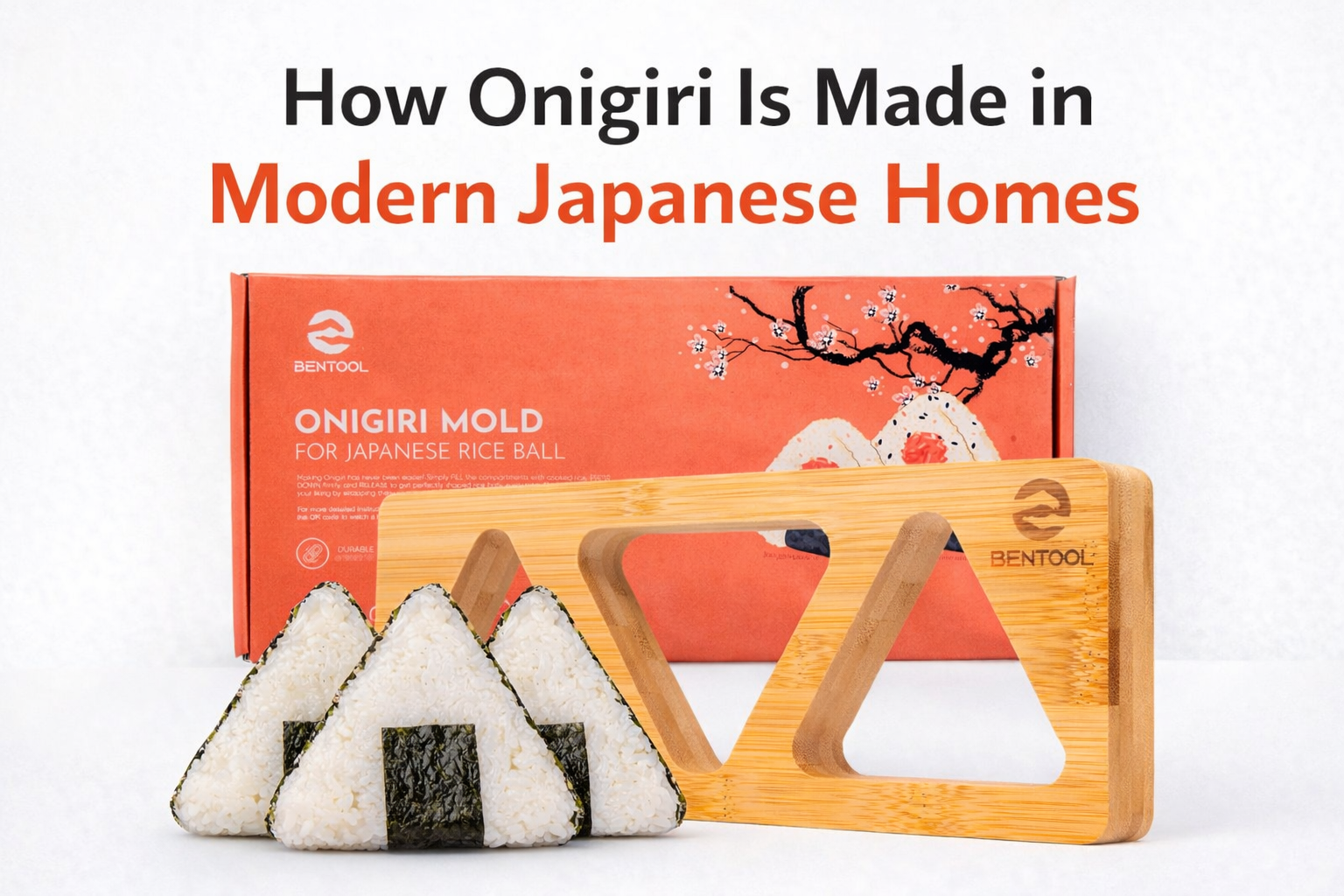
How Onigiri Is Made in Modern Japanese Homes
In everyday Japanese homes, most people still make onigiri by hand. It’s quick, familiar, and something many of us learned naturally over time.
But recently, something has changed.
If you look at popular Japanese onigiri shops or scroll through food-focused social media, you’ll notice how visually beautiful onigiri has become. Perfectly shaped. Soft edges. Rice that looks light and fluffy, almost like it’s breathing.
These images aren’t just about convenience—they trigger appetite. Seeing rice gently formed, released, and placed neatly on a plate somehow makes it look warmer, softer, and more delicious.
Some well-known onigiri shops and creators now use simple shaping tools to achieve this look, especially when making multiple onigiri quickly or showing the process on camera. It’s not necessarily how everyone cooks at home—but it reflects a modern style of onigiri that people love to watch and recreate.
This is less about replacing hand-made onigiri, and more about expressing care through presentation. When rice looks tender and evenly shaped, it feels more inviting—before you even take the first bite.
That’s why many people outside Japan, after seeing these videos, start wondering how they can recreate the same gentle texture and appearance at home
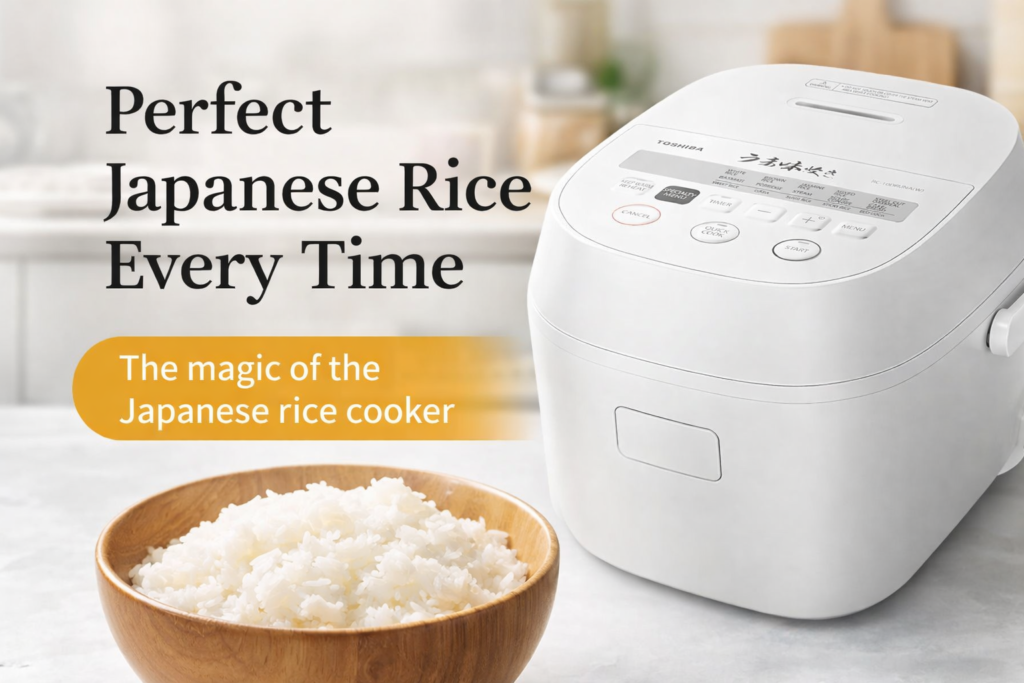
Of course, the mold helps with shape and presentation — but in Japan, everyone knows that great onigiri always starts with great rice.
If you’re curious about how Japanese households actually cook rice at home, and why rice cookers matter so much, I wrote a detailed article here:
Recreating This Look at Home — Without Special Skills
Recreating the beautifully shaped onigiri you see on social media doesn’t require special skills or years of experience. What matters most is consistency—being able to make onigiri that are the same size, gently shaped, and easy to handle.
That’s where simple onigiri molds come in.
Using a mold makes it easier to create clean, balanced triangles every time. The shape looks neat on the plate, and it’s much easier to add fillings evenly without breaking the rice.
I personally still shape my onigiri with plastic wrap. It works—but there are moments when it feels a bit inefficient. Each onigiri needs a fresh sheet of wrap, and when it’s time to season with salt, you often have to open it again, adjust, and rewrap.
With a mold, you can season the rice from the top, fill it easily, and release it gently in one motion. Watching that process—rice taking shape and falling perfectly onto the plate—feels surprisingly satisfying.
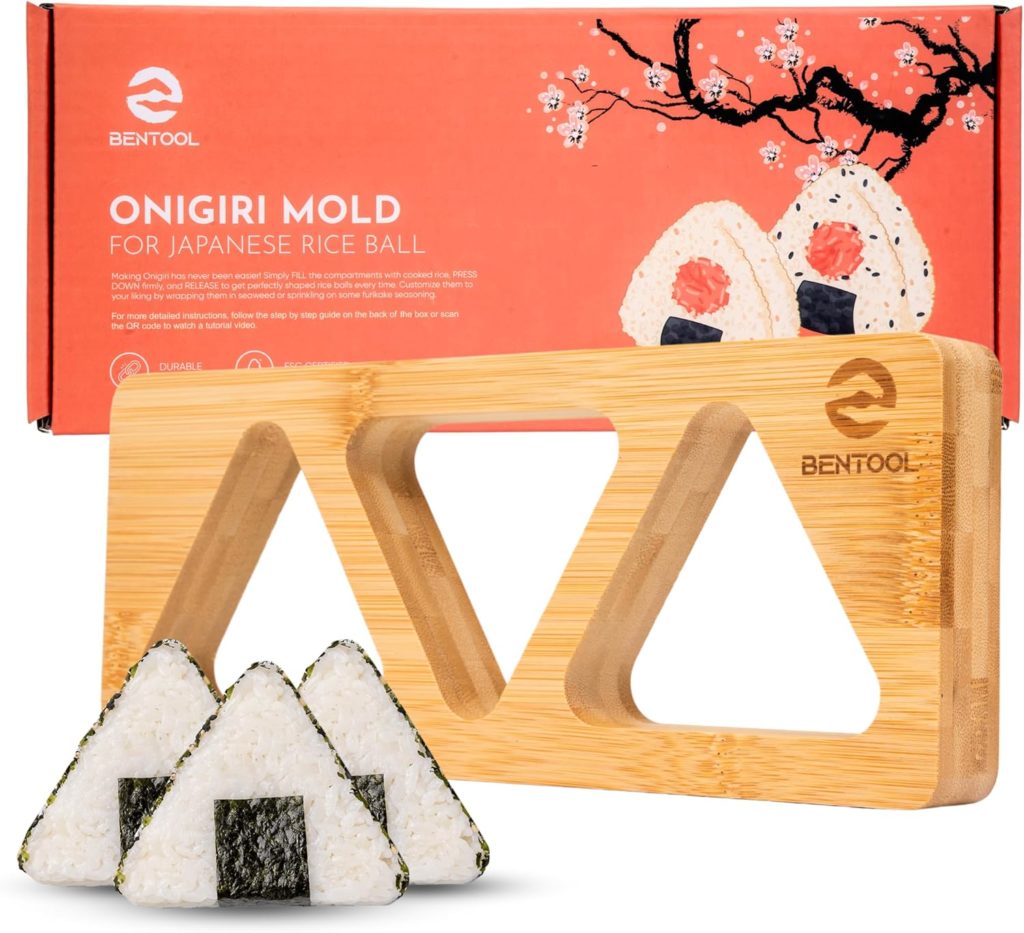
Many of the popular molds used today are made from bamboo, which adds a distinctly Japanese touch. The natural texture, warm color, and traditional material make the experience feel closer to what you see in Japanese shops and videos.
It’s not about replacing handmade onigiri. It’s about having an option that makes the process simpler, cleaner, and more enjoyable—especially when you want your onigiri to look as good as they taste.
This is the type of tool often seen in Japanese onigiri videos and specialty shops—and it’s designed for people who want beautiful results without overthinking the process.
This is not for everyone—but if you enjoy making onigiri and care about presentation, it’s worth a look.
How to Use an Onigiri Mold (Quick Guide)
Making onigiri with a mold is very straightforward.
Simply add warm rice, place your filling, gently press, and release. There’s no special technique involved—the mold guides the shape without compressing the rice too much.
That’s why this kind of tool often appears in short cooking videos and shop demonstrations. It makes the process look calm, clean, and satisfying to watch.
A Featured Pick Inspired by Japanese Onigiri Videos
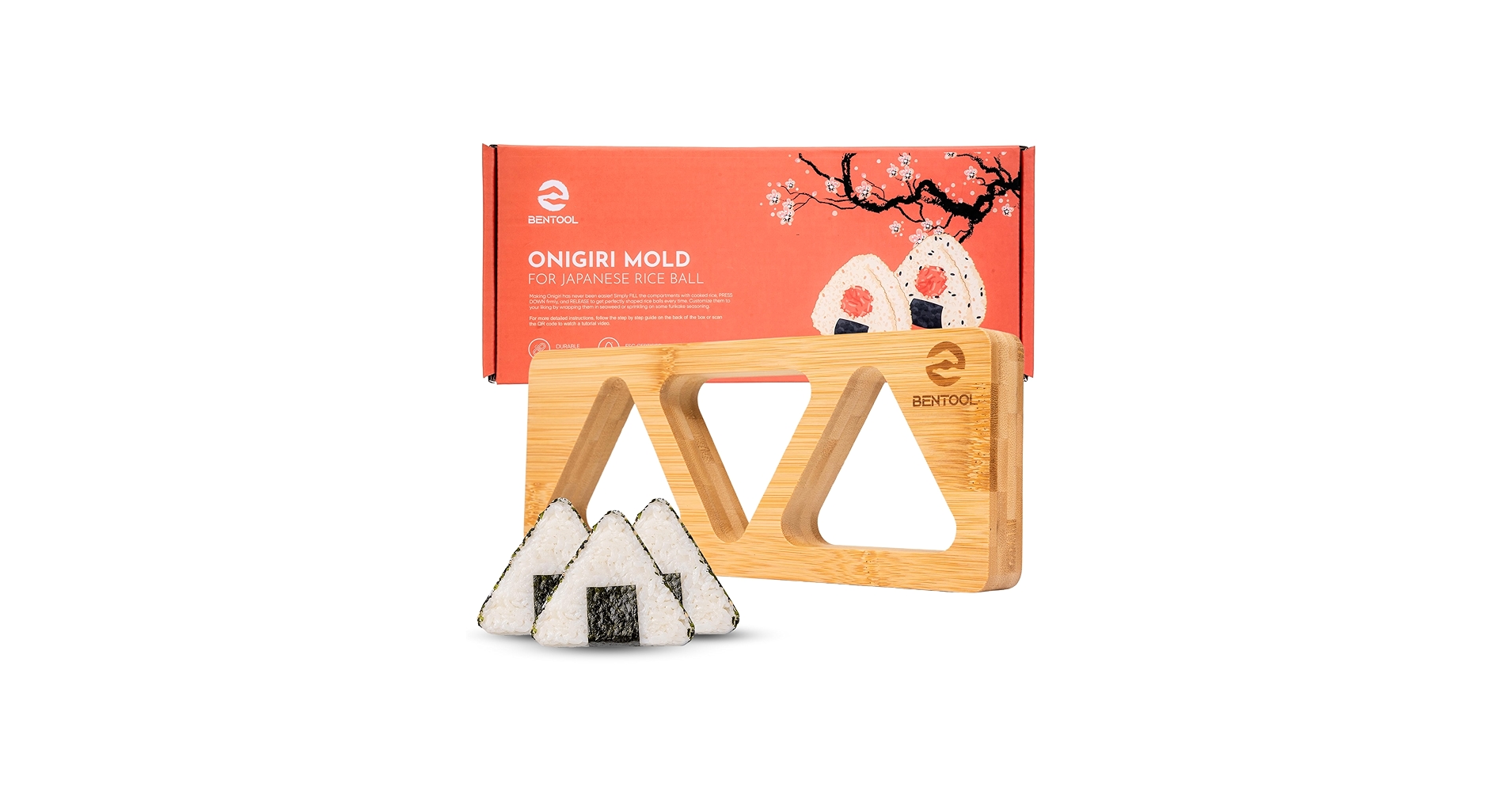
This is one option that reflects the style often seen in Japanese onigiri videos and specialty shops.
Why people like it:
Creates evenly sized onigiri
Forms clean, gentle triangles
Makes it easy to add fillings without breaking the rice
Made from FSC-certified bamboo, responsibly sourced from managed forests
This is not essential—but if you enjoy making onigiri and care about presentation, it’s a simple way to recreate that professional, effortless look at home.
Onigiri is more than a snack — it’s a small moment of care, comfort, and everyday tradition in Japan. Whether you’re inspired by shop-style rice balls or simply enjoy sharing Japanese food culture at home, the process itself is part of the experience.
Having the right tools can make that process feel smoother and more enjoyable, but they’re never a requirement. Sometimes, it’s just about finding what makes onigiri-making feel right for you.
This article contains affiliate links. Your support helps me continue sharing Japanese culture and everyday food experiences.


コメント