Top 3 Japanese Kitchen Knives from Seki Magoroku (Sharp, Durable & Worth It)

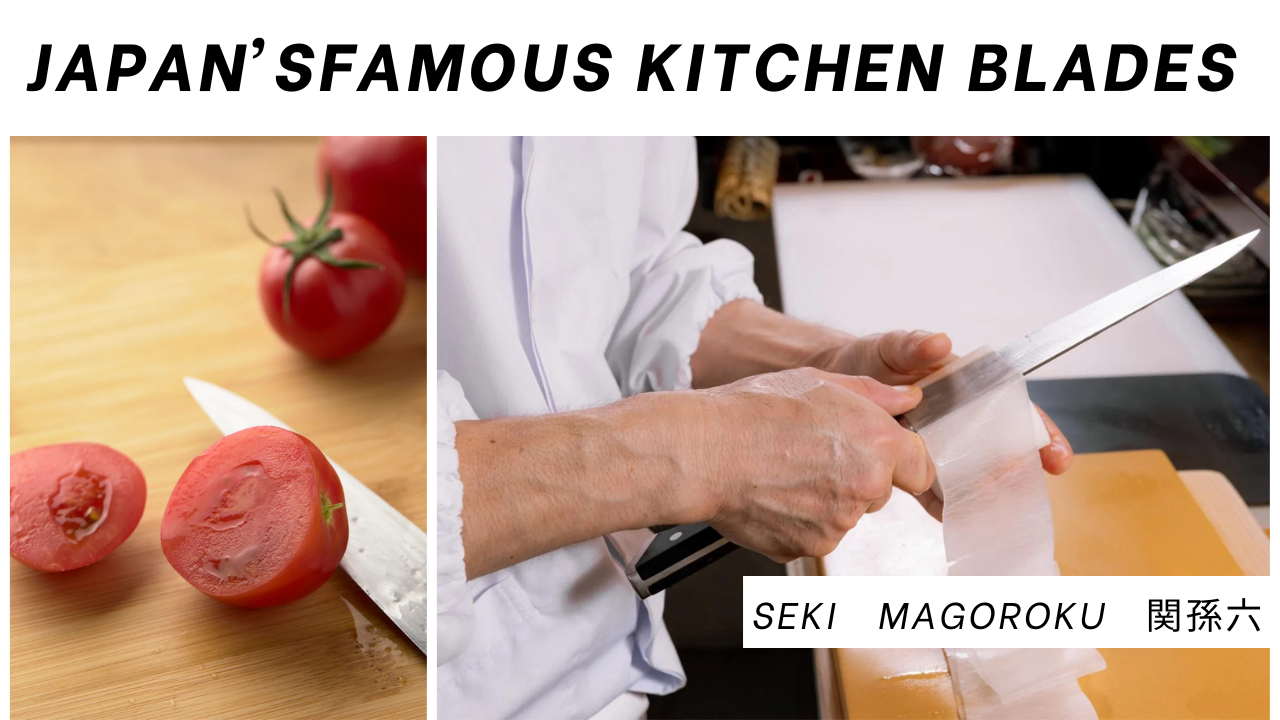
Japan’s knife Seki Magoroku Culture

If you’re looking for a Japanese kitchen knife that stays sharp for years, Seki City knives are one of the best choices.

I’ve personally been using a Seki-made knife for over 10 years. As someone who cooks almost every day, I use it for vegetables, meat, and fish — and it still performs beautifully.

So what makes these knives so special?

Seki City, located in Gifu Prefecture, is one of Japan’s most famous blade-making regions. For centuries, it has been known for producing high-quality knives and swords.

In this guide, I’ll introduce the top 3 Seki Magoroku knives you can buy online, and explain why they are trusted not only in Japan, but around the world.

スポンサーリンク

Top 3 Seki Magoroku Knives You Should Consider

If you’re not sure which Japanese knife to choose, here are three of the best Seki Magoroku knives you can buy online.

Seki Magoroku knives come in several different series, each designed for different needs and budgets.

Japanese Knife

Some of the most popular lines include:

  • Akane (茜) – Great balance of price and performance
  • Takumi-sou (匠創) – Durable and modern design
  • Damascus series – Premium knives with beautiful layered steel patterns
SeriesBlade MaterialHandleDishwasher Safe
Akane (茜)Triple-layer stainless steelWood (with nylon resin)❌ No
Takumi-sou (匠創)Single-layer stainless steelAll stainless steel✅ Yes
Damascus32-layer Damascus steelLaminated reinforced wood❌ No

Each one has different strengths, so you can pick the one that fits your cooking style.


Akane Gyuto Knife

A perfect balance of sharpness, durability, and ease of use.
Ideal for everyday cooking, whether you’re cutting vegetables, meat, or fish.


Takumi-sou Santoku Knife

If you want something hygienic and easy to clean, this is the best choice.
Its all-stainless design and dishwasher-safe build make it perfect for busy kitchens. Anyway Takumi-sou 匠創, pronounced Shoso in Japanese.


Damascus Santoku Knife

For those who want the ultimate Japanese knife experience.
Beautiful layered steel and exceptional sharpness make it both functional and stunning.

Japanese Knife Seki Magoroku
スポンサーリンク

Santoku vs Gyuto: What’s the Difference?

Before choosing a Japanese knife, it helps to understand the difference between the two most common types: Santoku and Gyuto.

Santoku Knife (三徳包丁) – The Everyday All-Rounder

The Santoku knife is the most popular kitchen knife in Japan.

It combines the features of traditional vegetable knives and Western-style chef’s knives, making it perfect for everyday cooking.

Why it’s so popular:

  • Great for cutting vegetables, meat, and fish
  • The blade is relatively straight near the heel, making it ideal for push-cutting
  • Slightly curved tip for smooth slicing
  • Wide blade makes it easy to handle, even for beginners
  • Lightweight and comfortable for daily use

From slicing vegetables to cutting fruit, this knife can handle almost anything in a typical home kitchen.


Gyuto Knife (牛刀) – The Versatile Western-Style Knife

The Gyuto is a Western-style knife that has become very popular in Japan.

Compared to the Santoku, it has a more curved blade and a sharper tip.

Best for:

  • Cutting large pieces of meat or fish
  • Smooth slicing with a pull-cut motion
  • Expanding your cooking range

Because of its size and sharp tip, it’s especially useful for people who enjoy cooking meat dishes or want more flexibility in the kitchen.


スポンサーリンク

Santoku vs Gyuto Comparison

FeatureSantoku KnifeGyuto Knife
Best forVegetables, meat, fishMeat, large ingredients
Blade shapeStraighter edge, slight curveMore curved, sharp tip
Cutting stylePush-cuttingPull-cutting
Ease of useBeginner-friendlySlightly more advanced
WeightLightweightSlightly heavier
Use caseEveryday home cookingMore versatile / advanced use

If you’re not sure which to choose, most Japanese households start with a Santoku knife.

For those interested in Japanese food, I’ve written more about it in this post.

A Beginner’s Guide to Natto: Why It Smells, Why It’s Healthy, and How to Eat It

natto healthy food Japan

Akane Series – A Great Choice for Beginners

If you’re looking for your first Japanese knife, the Akane series is a solid choice.

Features:

  • Blade: Triple-layer stainless steel (sharp and long-lasting)
  • Handle: Wood (with nylon resin for durability)
  • Easy to maintain and suitable for everyday use

Here’s a popular Gyuto model from this series:

This knife is designed for long-term use and is especially good if you often cook meat or larger ingredients.

Takumi-sou (匠創) – Clean, Sharp, and Easy to Maintain

The Takumi-sou series is perfect for those who want a knife that is easy to use and maintain in everyday life.

Key Features:

  • Rust-resistant stainless steel
    → Durable and ideal for daily use
  • Dishwasher safe
    → Easy cleaning, perfect for busy households
  • Seamless all-stainless design
    → No gaps between blade and handle, making it more hygienic
  • Smooth, sharp cutting performance
    → The blade is carefully polished to reduce resistance, allowing food to be sliced cleanly and effortlessly
  • Ergonomic handle
    → Streamlined shape with a comfortable grip that fits naturally in your hand

👉 If you want a low-maintenance Japanese knife that stays clean and sharp, this is one of the best options.

Premium Choice – Damascus Santoku Knife

If you want the best Japanese knife experience, the Damascus Santoku is the one to choose.

This is one of the highest-quality lines from Seki Magoroku, combining traditional craftsmanship with modern technology.


Why This Knife Stands Out

32-Layer Damascus Stainless Steel
The blade features a stunning 32-layer Damascus pattern, created by layering different types of stainless steel.
At its core, high-hardness premium steel delivers exceptional sharpness and long-lasting performance.


Ultra-Thin Edge for Effortless Cutting
Thanks to a specialized sharpening technique, the blade edge is extremely thin.

What does that mean in real life?

👉 It slices through food without crushing it
👉 Tomatoes, meat, and even soft ingredients cut cleanly with almost no pressure


Clean and Hygienic Design
The seamless bolster prevents water and food residue from getting trapped.

This makes the knife easier to clean and more hygienic for everyday use.


Comfortable, Professional Grip
The ergonomic handle is designed in a subtle reverse-triangle shape.

It fits naturally in your hand, giving you better control and stability—even during longer cooking sessions.


Why It’s Worth It

This isn’t just a knife—it’s something that changes how you cook.

  • Cooking feels smoother and more enjoyable
  • Ingredients look cleaner and more professional
  • You spend less effort cutting and more time enjoying the process

👉 If you want a knife that looks beautiful, performs incredibly well, and lasts for years, this is the one to get.

Real Cutting Experience

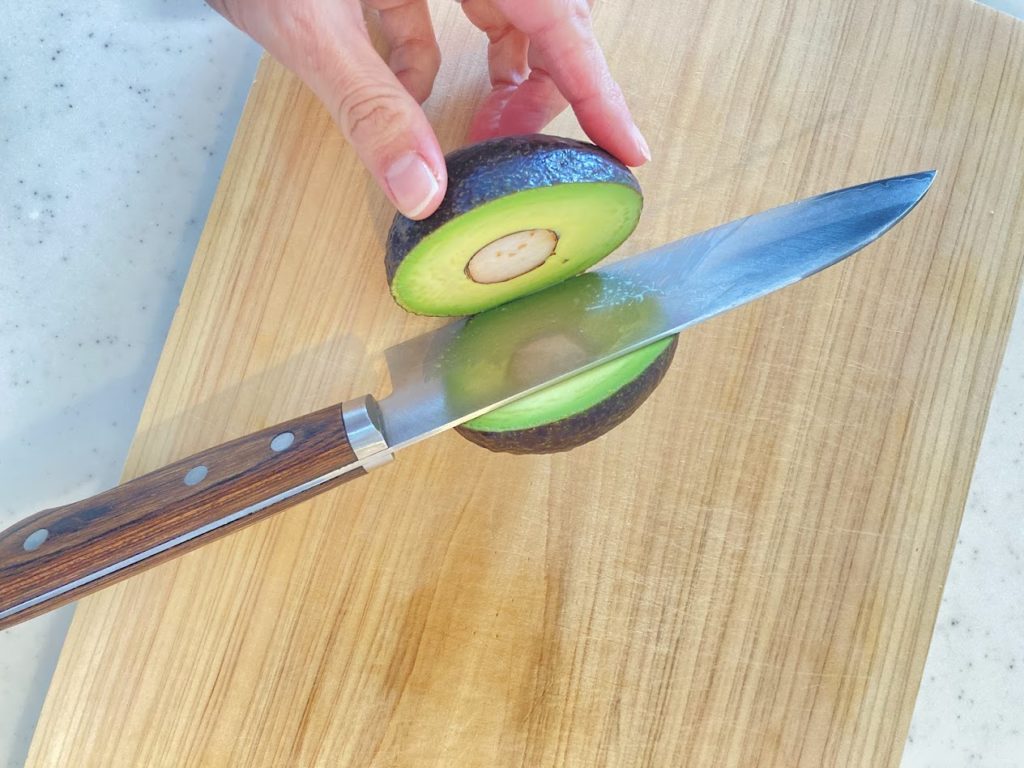
To test the sharpness, I tried cutting an avocado all the way through — even the seed.

Surprisingly, the knife went through smoothly with very little force.

seki knife Japan

Normally, you would avoid hitting the seed because it can damage the blade.
But this test showed just how powerful and sharp a well-made Japanese knife can be.

What impressed me the most wasn’t just the strength — it was the clean cut and control.

Even with a tough ingredient like this, the blade didn’t slip or crush the flesh.

関孫六 Seki Magoroku Japan

Final Thoughts

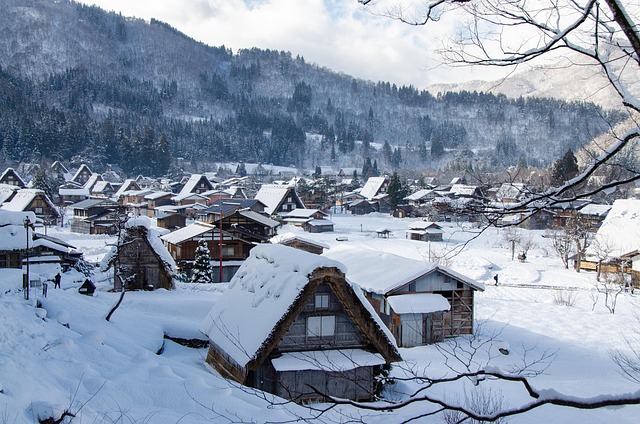
Seki City is located in Gifu Prefecture, in central Japan—an area known for its rich traditions and beautiful nature.

I actually used to live in Gifu, and it’s a peaceful place surrounded by mountains and hot springs. On weekends, I often visited different onsen, enjoying the quiet atmosphere.

Japan Quality

But Seki City is especially famous for one thing—blades.

For over 700 years, since the Kamakura period, skilled craftsmen in Seki have been making Japanese swords for samurai. That same spirit of craftsmanship continues today.

Now, Seki is known worldwide for producing high-quality knives, scissors, and other cutting tools. Products labeled “Made in Seki” are trusted for their precision, durability, and sharpness.

That’s why Japanese kitchen knives from Seki are not just tools—they are part of a long tradition of craftsmanship.

This article contains affiliate links. If you purchase through these links, I may earn a small commission at no extra cost to you. Thank you for your support.
コメント

タイトルとURLをコピーしました