In my previous post, I showed you the “textbook” version of Japanese Osechi. But let’s be honest: not every Japanese family lives like a movie scene. While some households strictly follow every tradition, many modern families are redefining what New Year looks like. Today, I’m sharing the “real” version of my New Year—minimalist, stress-free, and delicious!
(By the way, if you missed the details on traditional Osechi, you can catch up in my last post here.)
A Taste of Tradition: My Guide to a Real Japanese New Year & Osechi Meal
What is a real Japanese New Year like? From the symbolic flavors of Osechi Ryori to shrine visits, learn the traditions (and the honest truth) about the holiday food.
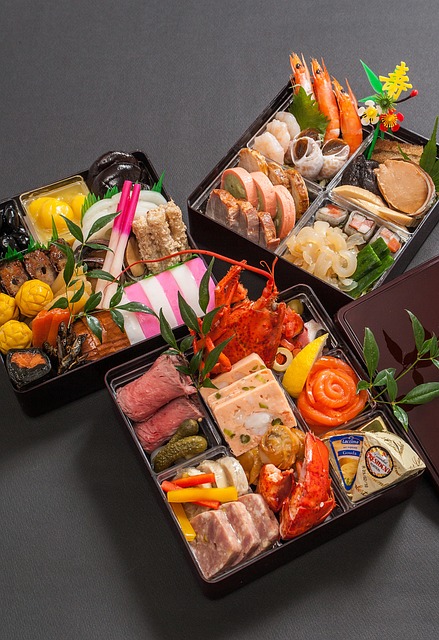
The 0 Box? No Thanks! Why I Choose “Select” Osechi
Don’t get me context wrong—many families in Japan still celebrate with grand, three-tier lacquer boxes (ju-bako) filled with traditional delicacies. It’s a beautiful tradition, but it’s not for everyone.
I personally decided to skip the fancy boxes this year for a few practical reasons:
- The Price Tag: A pre-ordered Osechi box can cost anywhere from $150 to over $500 (¥15,000 to ¥50,000+)! That’s a lot of money for one meal.
- The Taste Gap: Traditional Osechi was designed to last for days without refrigeration. Because of this, many items are very salty or very sweet. Honestly? My family just doesn’t like the taste of many traditional items.
- Modern Choices: We live in an era with so much delicious food available. Why stick to 500-year-old recipes when we can eat what we actually crave?
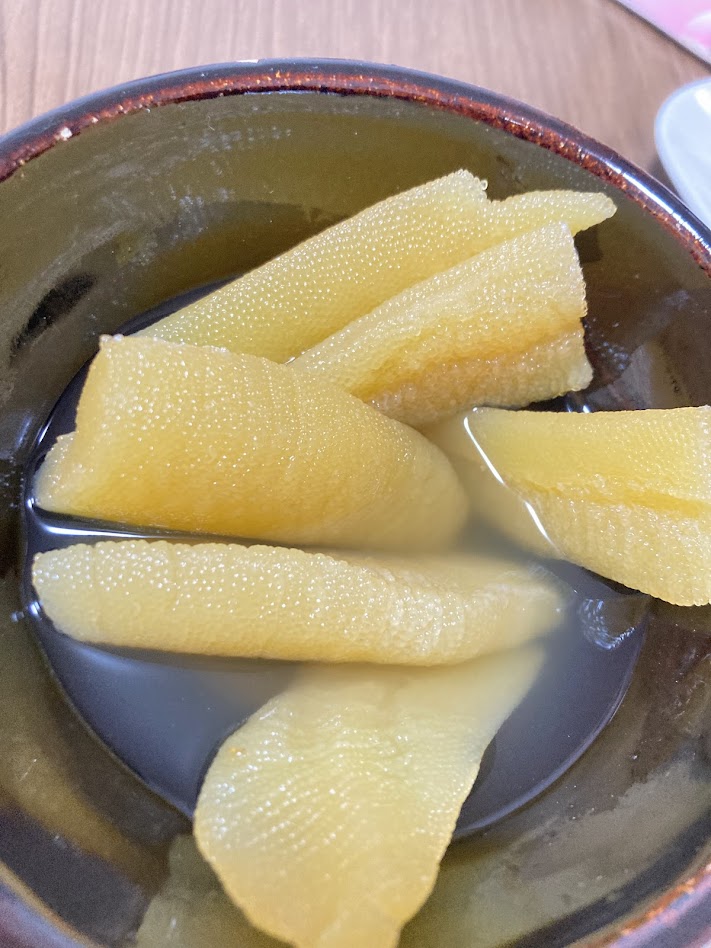
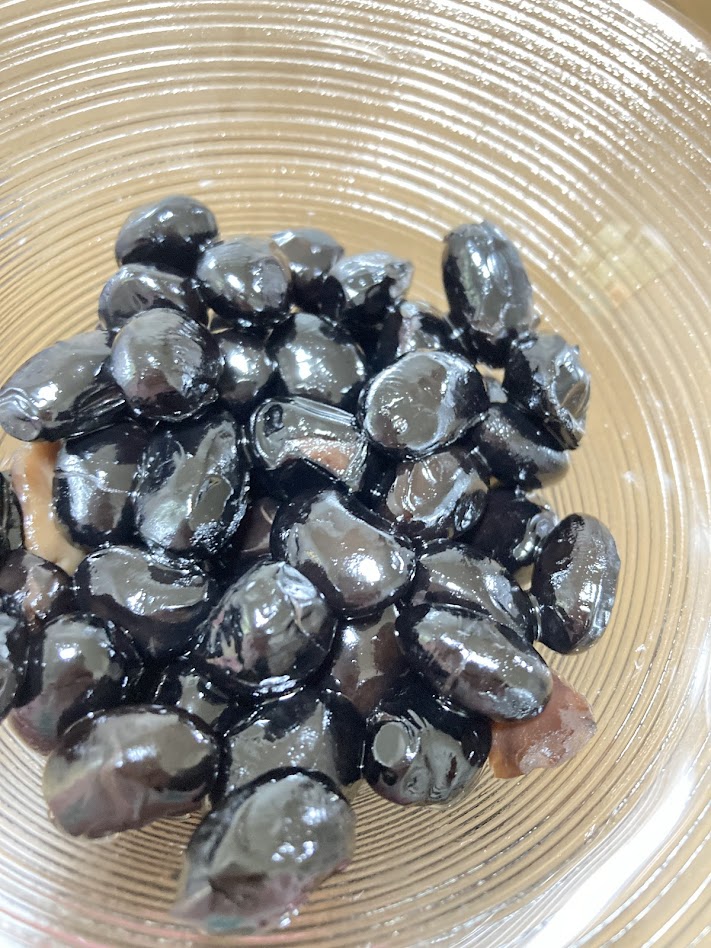
So, I kept it simple. I only bought our “Greatest Hits”: Kazunoko (herring roe), Kuromame (black beans), and Kamaboko (fish cake). I even found a horse-designed Kamaboko for my daughter—she loved it! No expensive box required; just our favorite flavors on our favorite plates.

Escaping the “Daughter-in-Law Duties”: Our Quiet New Year
In Japan, New Year is traditionally the time to visit the husband’s family. For many wives, this is… let’s just say, the most exhausting time of the year. Commonly, the daughter-in-law is expected to be the “helper.” From cooking and serving to endless cleaning, you are often the last one to sit down and the first one to stand up. It’s a delicate social dance of being perfectly polite to the in-laws and relatives, which can be incredibly draining.
This year, I made a bold choice: We stayed home. Instead of dealing with the pressure of “in-law duties” and the unspoken hierarchies of a traditional household, we spent the holiday as a nuclear family. No stress, no “hellish” kitchen shifts, and no forced small talk. It was just us, relaxing in our own space. It was, without a doubt, the most peaceful and fun New Year I’ve ever had.
Otoshidama お年玉: The “Gift” That Makes My Wallet Cry
Aside from food, there’s another major New Year’s tradition: Otoshidama. This is the custom where adults give cash to children. While my daughter was thrilled to receive her colorful envelopes, for us adults, it’s a bit of a financial hit!
In a traditional big family gathering, you’d have to prepare envelopes for all your nieces, nephews, and cousins. By staying home this year, we only focused on our daughter. It’s a sweet tradition that teaches kids about money, but let’s just say I’m glad my “bank of mom” didn’t have a long line of relatives waiting outside it this time!
Hatsumode 初詣: Sacred Tradition or Just a Sea of People?
Finally, there is Hatsumode—the first shrine visit of the year. Usually, famous shrines are packed with thousands of people, and you have to wait for hours in the freezing cold just to offer a 5-yen coin.
This year, we skipped the famous “power spots” and took a slow walk to a tiny local shrine in our neighborhood. It was quiet, peaceful, and—best of all—there were a few Yatai (food stalls) lined up!
We couldn’t resist buying some Ringo-ame (Candy Apples). If you’ve never seen them, they are whole apples coated in a bright, crunchy red candy shell and served on a sturdy chopstick. The stick makes them so easy to carry and eat—it’s the ultimate Japanese festival treat!
My daughters were so excited to get their own apples. We spent the walk back home crunching on our apples and chatting about the year ahead. It wasn’t the “glamorous” New Year you see on TV, but walking home with sticky fingers and happy hearts was exactly the kind of start I wanted for 2026.
Conclusion
Tradition is important, but your mental peace and family happiness are even more important. Whether it’s choosing a $500 box or a simple plate of fish cakes, or choosing between a big family gathering and a quiet day at home—there is no “wrong” way to celebrate.
How do you handle family traditions in your country? Do you prefer the big gatherings or a quiet escape? Let me know in the comments!


コメント