You may have heard that Japanese people eat raw eggs. For many people outside Japan, that sounds surprising or even a little scary. Have you ever tried a raw egg in your country?
What is TKG? T stands for Tamago (egg in Japanese), K stands for Kakeru (to pour or put on), and G stands for Gohan (rice). In other words, TKG is Japanese raw egg rice, one of the most popular comfort foods in Japan.
In this article, I’ll explain what TKG (Tamago Kake Gohan) is, why Japanese people love eating raw egg rice, whether raw eggs are safe in Japan, and the secret ingredients that make TKG taste even better.
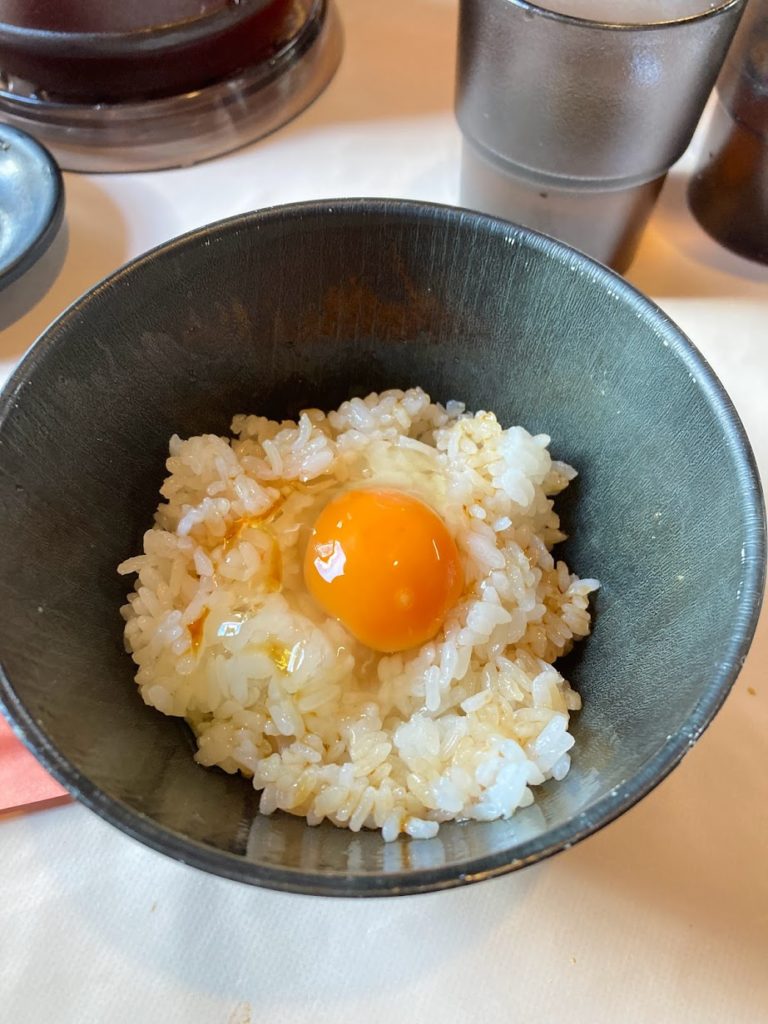
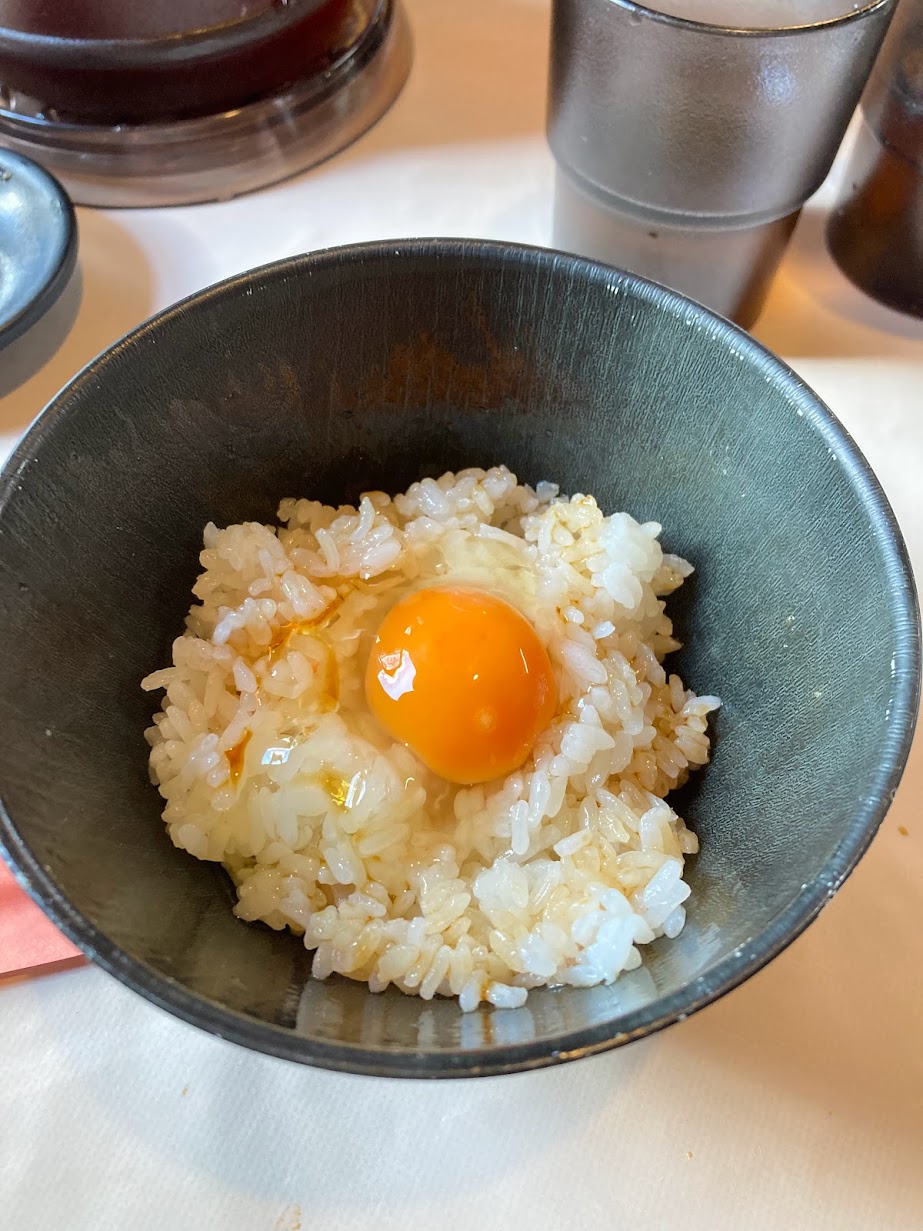
TKG, or Tamago Kake Gohan, is a simple Japanese dish made with steamed rice, a raw egg, and soy sauce.
That’s it.
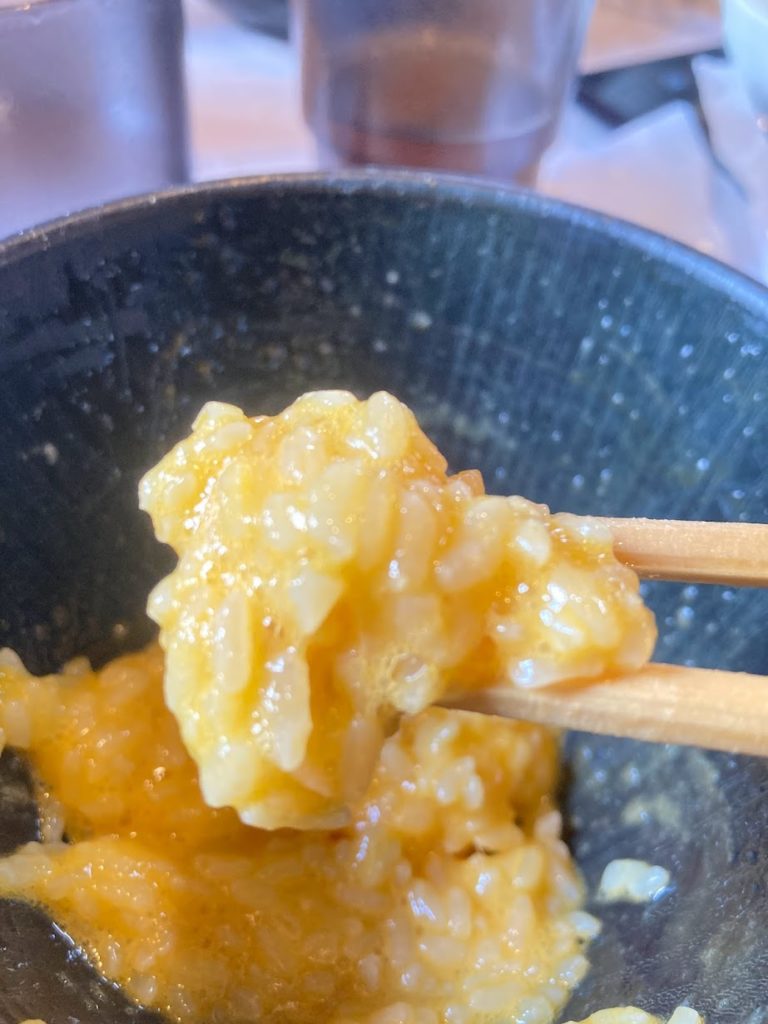
Freshly cooked hot rice is topped with a raw egg and seasoned with soy sauce. When you mix everything together, the egg becomes creamy and fluffy while the warmth of the rice creates a rich and comforting texture.
The flavor is simple but incredibly satisfying. The creamy egg, hot rice, and savory soy sauce create a perfect balance of taste and texture.
Many Japanese people eat TKG for breakfast because it is quick, cheap, and easy to prepare. However, it is also a popular late-night meal when you’re feeling slightly hungry but don’t want anything heavy.
Simple? Yes.
Delicious? Absolutely.
If you are curious about Japanese egg culture, let’s check out my post. You can find mysterious boiled egg from Japanese Konbini!
One of the most common questions about Japanese raw egg rice is:
“Is it really safe to eat raw eggs in Japan?”
The answer is generally yes.
Japan has extremely strict food safety standards designed to reduce the risk of Salmonella contamination. Eggs are thoroughly washed, disinfected, refrigerated, and carefully inspected before reaching stores.
One major difference between Japan and many other countries is how eggs are handled. In many countries, eggs are not washed because producers want to preserve the natural protective coating called the cuticle. These eggs are often stored at room temperature.
Japan takes a different approach. Japanese producers remove dirt and bacteria through intensive washing and sanitation processes. Because this protective layer is removed, eggs must be kept cold throughout transportation and storage. This refrigerated distribution system, known as the cold chain, helps maintain safety from the farm to your refrigerator.
As a result, Salmonella contamination in Japanese eggs is extremely rare. The Japanese egg industry has spent decades improving safety standards, and raw eggs are commonly consumed throughout the country.
However, this does not mean you should automatically eat raw eggs outside Japan. Egg safety standards vary from country to country, so always follow local food safety recommendations.
スポンサーリンク
Why Japanese People Love Raw Egg Rice
If you ask Japanese people what they would like to eat as their final meal, you may be surprised to hear some people answer:
“TKG.”
Why?
For many Japanese people, TKG is a taste of childhood.
Most of us have eaten Tamago Kake Gohan since we were young, so it brings back warm memories of home and family.
Love Japanese rice? The secret isn’t just the toppings—it’s also how the rice is cooked. If you’re thinking about recreating authentic Japanese meals at home, check out my guide to the best Japanese rice cookers.
Another reason is that every bowl tastes slightly different.
The flavor changes depending on:
The quality of the egg
The type of rice
The soy sauce you use
Whether you add dashi, butter, or other toppings
Some people mix the egg completely until it becomes fluffy. Others prefer to lightly break the yolk and keep the texture rich and creamy.
Recently, some people even separate the egg white and yolk, mixing only the white with rice first before placing the yolk on top.
And of course, TKG is affordable, nutritious, and filling.
All you need is rice and an egg.
Japanese people enjoy eggs in many different ways besides TKG. One of my personal favorites is homemade smoked eggs. The smoky flavor transforms a simple boiled egg into a delicious snack or side dish. If you’re an egg lover, be sure to check out my guide on how to make Japanese-style smoked eggs at home.
The egg and rice are important. But the ingredient that changes the flavor the most is actually the seasoning.
TKG Soy Sauce
In Japan, there are special soy sauces made specifically for Tamago Kake Gohan.
Regular soy sauce can sometimes be too strong and salty. TKG soy sauce is milder, slightly sweeter, and designed to enhance the natural richness of the egg rather than overpower it.
If you want to recreate authentic Japanese raw egg rice at home, this is the first ingredient I recommend. It also works wonderfully with fried eggs, omelets, and other egg dishes.
Another popular option in Japan is premium seasoning salt. Some Japanese people enjoy TKG with salt instead of soy sauce.
One of the most famous examples is Rokusuke Salt.
This unique Japanese salt contains natural umami ingredients such as kelp, shiitake mushrooms, dried scallops, and bonito. The result is a rich and complex flavor that makes simple dishes taste incredible.
I often use it when making Japanese rolled omelets. Even a boiled egg becomes much more flavorful with just a small sprinkle.
If you enjoy eggs, this seasoning is definitely worth trying.
One reason TKG remains popular is its versatility.
Here are some favorite toppings:
Natto
Natto and raw egg rice are a legendary combination in Japan. The sticky texture of natto matches perfectly with creamy egg.
Green Onion
Finely chopped green onion adds freshness and crunch.
Butter
This may sound unusual, but a small piece of butter creates a rich and indulgent flavor.
Kimchi
Spicy kimchi adds heat and acidity that pairs beautifully with the egg.
Nori Seaweed
Wrapping TKG in crispy seaweed creates another layer of texture and umami.
The truth is simple:
TKG goes with almost everything.
Where To Try TKG In Japan
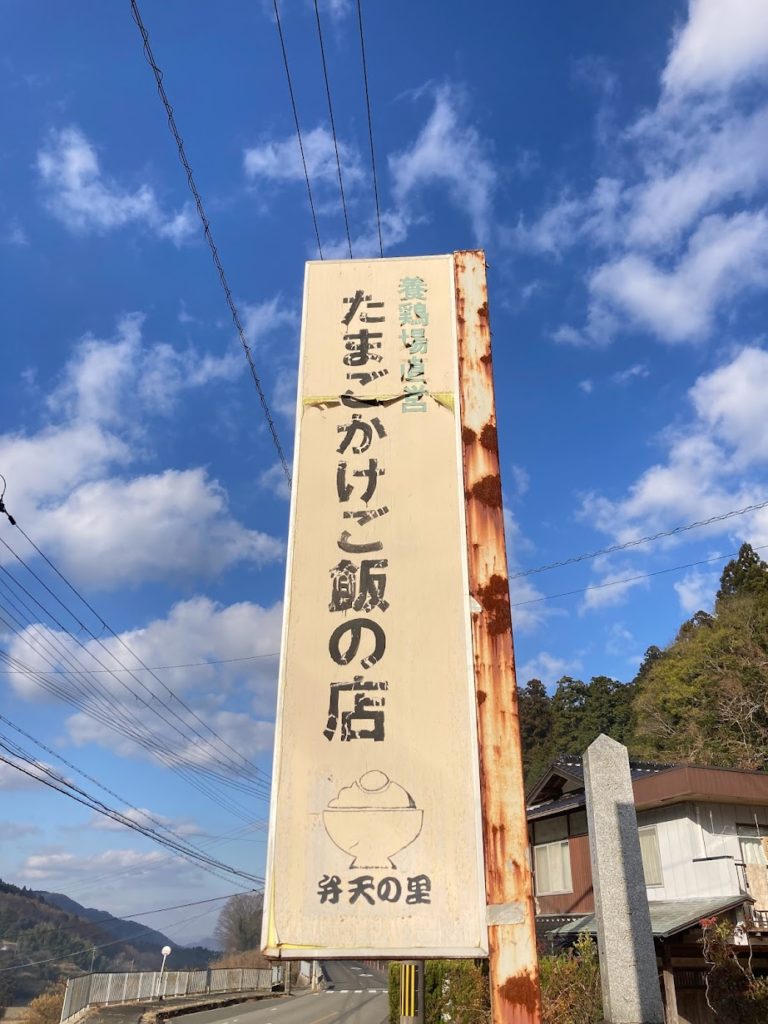
You can find Tamago Kake Gohan at many restaurants, especially izakayas and traditional Japanese breakfast restaurants.
If you’re visiting Japan, trying authentic TKG made with fresh Japanese eggs is a unique food experience.
Just remember: the safety of raw eggs depends on local food standards. Enjoy raw egg rice in Japan, but be careful about eating raw eggs in countries where they are not intended for raw consumption.
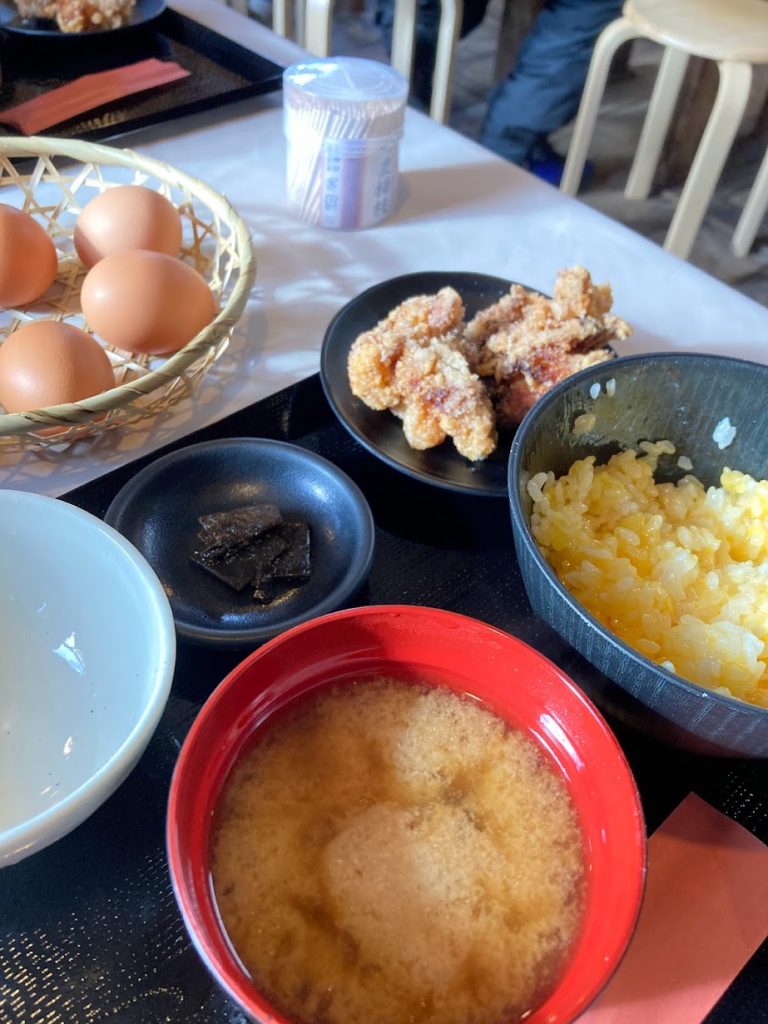
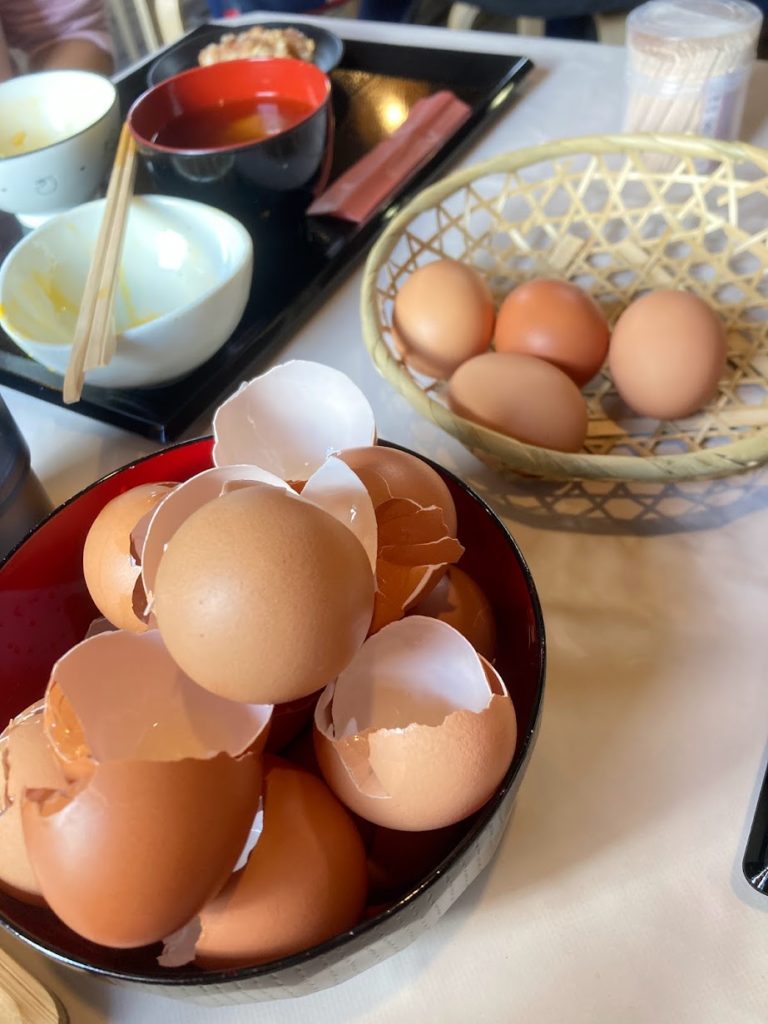
Near Osaka, there are even restaurants that offer all-you-can-eat eggs for TKG. Fresh eggs, Japanese fried chicken, and miso soup make for an unforgettable meal.
TKG may look simple, but it is one of Japan’s most beloved comfort foods. The combination of steamed rice, raw egg, and the right seasoning creates a surprisingly rich and satisfying meal.
If you want to enjoy authentic Japanese raw egg rice at home, I highly recommend trying a dedicated TKG soy sauce and premium Japanese seasonings like Rokusuke Salt.
This article contains affiliate links. If you purchase through these links, I may earn a small commission at no extra cost to you. Thank you for your support.
Comments