
When traveling in Japan, most people rush to try the famous dishes—sushi, ramen, or even okonomiyaki. But if you really want to experience everyday Japanese food, you should try curry and rice. It’s one of those meals that feels like home for many Japanese families. Mothers often cook it for dinner, and it’s also found in casual restaurants all across the country.
What’s interesting is that Japanese curry is nothing like Indian or Thai curry—it’s thicker, milder, and has its own unique flavor. For me, it’s one of the most comforting dishes you can taste in Japan. Let’s dive in and discover why this humble plate of curry and rice is so special!
Japanese Rice
In my last post, I introduced Japanese rice. Japanese food is deeply connected with japonica rice, and curry and rice just wouldn’t be the same without it. The soft, slightly sticky grains cling perfectly to the thick Japanese curry, creating the perfect bite every time. That gentle stickiness makes the dish feel lighter, smoother, and even more delicious. Once you try curry with real Japanese rice, you’ll understand why it’s such a beloved comfort food!
Curry and Rice
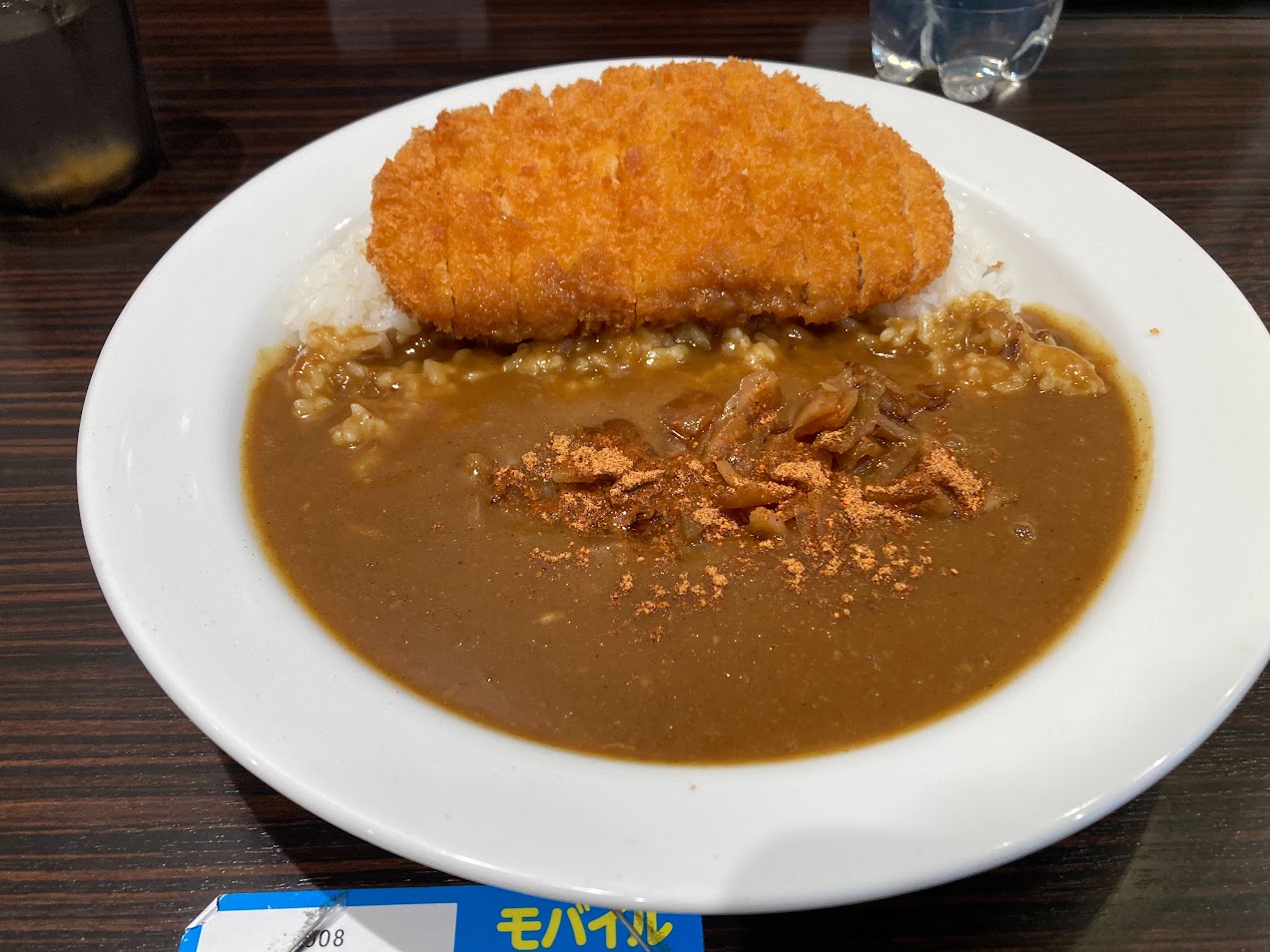
This is Japanese curry and rice!

At first glance, you’ll notice its deep, glossy brown color—a rich, almost crystal-like shine that makes it instantly appetizing. Inside the curry, you’ll usually find hearty chunks of carrot, onion, potato, and tender pieces of meat. Unlike Thai curry, which is more like a soup, Japanese curry has a thick, velvety texture that clings beautifully to the rice.
The flavor is rich and comforting—mildly spiced, slightly sweet, and full of umami. You can even choose your preferred spiciness, from gentle heat to fiery hot. And it often comes with a delicious topping. In the photo, you can see katsu curry—a golden, crunchy pork cutlet sitting right on top. Other popular toppings include a sunny-side-up egg or even cheese, adding extra layers of flavor.
This harmony of sticky rice, thick curry, and tasty toppings makes Japanese curry and rice a true comfort food that you’ll want to eat again and again.
How to Cook Curry and Rice
Curry and rice is loved by everyone in Japan—kids and adults alike. One big reason is that it’s so easy to make at home! Here’s a simple way to cook it:

- Sauté the onions – Slice onions and stir-fry them until they turn golden brown. This adds sweetness and depth to the curry.
- Add the meat – Depending on the region, the choice of meat changes. In eastern Japan, pork is common, while in western Japan, beef is often used. Chicken is also a popular option.
- Add vegetables – Toss in chunky pieces of carrots and potatoes. These give the curry a hearty and satisfying bite.
- Simmer – Pour in water and simmer everything until the ingredients are tender.
- Add Japanese curry roux – This is a ready-made curry roux that melts into the pot and thickens the stew into that signature Japanese curry texture.
- Simmer a little longer – Let the flavors blend together until the curry is rich and smooth.
- Serve with rice – Pour the curry over freshly steamed Japanese rice.
And that’s it—bon appétit! A delicious plate of Japanese curry and rice is ready to enjoy.
The key to Japanese curry is the curry roux, which is sold in every supermarket in Japan. There are many different brands, each with its own unique flavor and spice blend. Choosing your favorite roux is part of the fun!
And here’s something special—many Japanese moms (and dads, too!) add their own secret touches when cooking curry. While the curry is simmering, some people grate an apple into the pot, making the flavor lighter and naturally sweet. Others add banana for a mellow sweetness with extra depth, or even a piece of chocolate to create a richer, smoother taste.
That’s why Japanese curry and rice can taste a little different in every household. Each family has its own special version—and that makes it even more interesting and delicious!
Summary
When you visit Japan, make sure to try a Japanese curry restaurant! If you have Japanese friends, even better—ask them to cook curry and rice for you at home. And if not, don’t worry! You can simply buy curry roux and make it yourself. It’s fun, easy, and absolutely delicious. Once you taste it, you’ll definitely get hooked!

コメント