
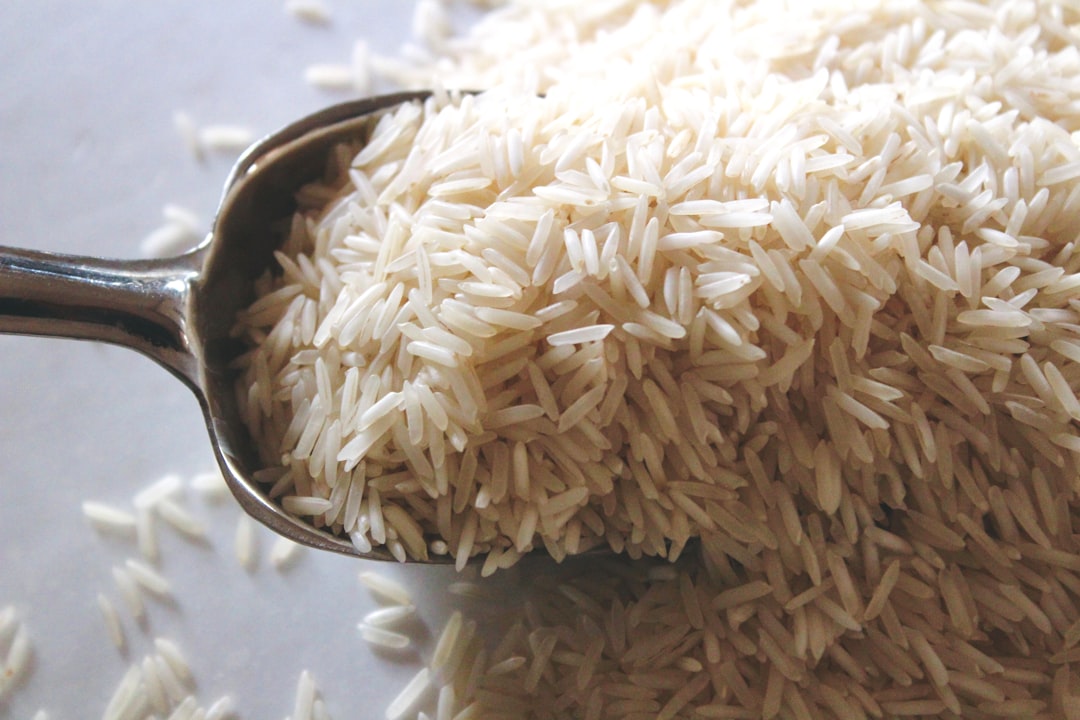
Have you ever tried Japanese rice, known as Japonica rice? In places like the U.S., Europe, and Southeast Asia, long-grain varieties such as Basmati and Jasmine are commonly enjoyed. These types are light, fluffy, and don’t stick together. But in Japan, people prefer short, round grains that cook up soft and sticky. Let’s explore what makes Japonica rice so special and how it compares to other types around the world!
🍚 Japonica Rice in Daily Life
Japanese people eat rice from breakfast to dinner—yes, even lunch! But rice isn’t usually the main dish. For us, it’s a side dish that’s absolutely essential. A typical meal includes several side dishes like tamagoyaki (Japanese omelet), pickles, and miso soup, along with one or two main dishes such as grilled fish, sashimi, or hamburger steak. No matter what we eat, we always take a bite of rice together with the dish. That’s why we often say, “This dish goes well with rice.” Rice is the quiet star of every meal!
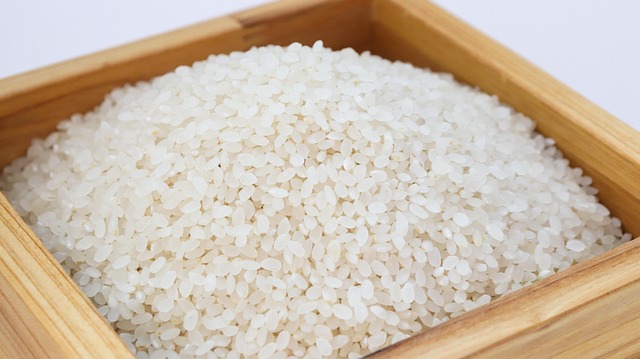
When it comes to Japonica rice, there are many varieties in Japan. Each type has its own size, flavor, stickiness, and price. At the supermarket, choosing rice is like picking a wine—fun and full of personality! Even restaurants proudly display posters showing which rice they use. For us, rice isn’t just food—it’s a part of our identity.
🍙 How Does Japonica Rice Taste?
You might be surprised by how sticky Japanese rice is—but that’s exactly what makes it so special. Japonica rice has a soft, glossy texture and just the right amount of chewiness. Thanks to its natural stickiness, you can easily pick it up with chopsticks, and each bite feels warm and satisfying. It gently clings to your favorite dishes, soaking up flavors like soy sauce, grilled fish juices, or miso soup.
Cooked rice may seem simple—just water and grains—but its flavor deepens with every bite. As you chew, Japonica rice slowly releases a gentle sweetness that fills your mouth with warmth. You can enjoy it all on its own, but it truly shines when paired with side dishes.
Japanese side dishes often have bold flavors, thanks to ingredients like soy sauce and miso. When you eat them together with rice, the rice softens the saltiness and balances the taste perfectly. It’s not just a side—it’s the harmony that brings the whole meal together.
Japanese food with Rice
Japanese cuisine is deeply connected to Japonica rice, a short-grain variety known for its glossy texture and gentle stickiness. This stickiness comes from its high starch content—especially amylose and amylopectin—which gives the rice a soft, chewy bite that pairs beautifully with many dishes.
Thanks to its texture, Japonica rice holds together easily, making it perfect for shaping into sushi or forming into triangular rice ball (onigiri). It’s no exaggeration to say that Japanese food culture is built around this rice. From delicate sashimi bowls to hearty donburi, the rice doesn’t just support the dish—it completes it.
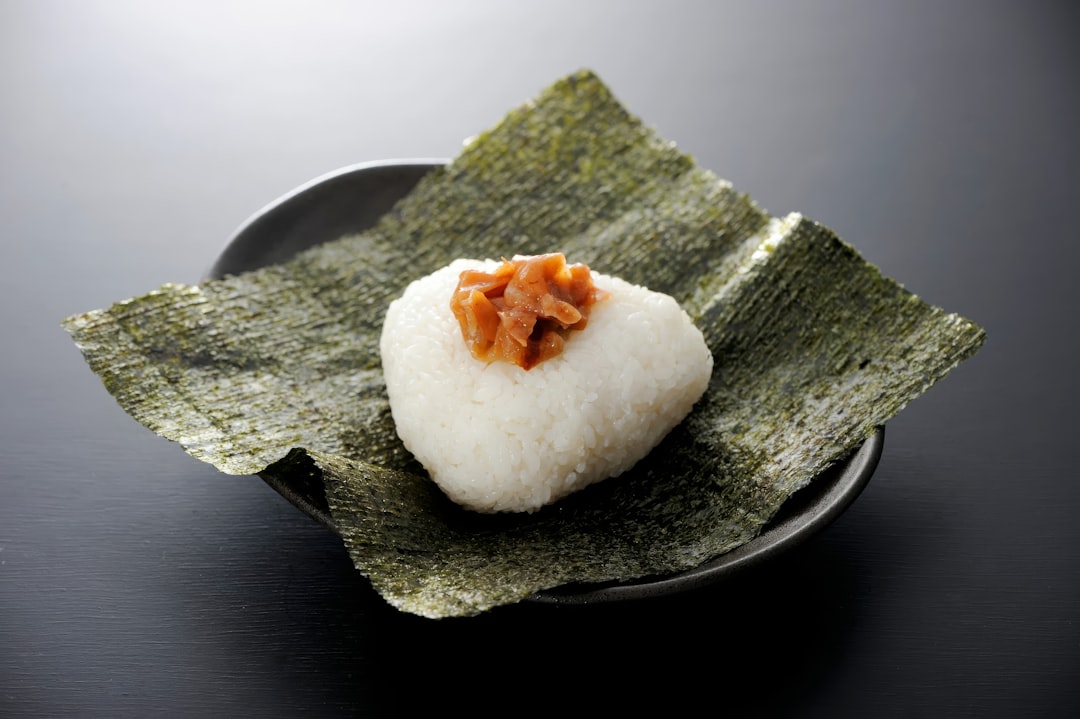
If you’re curious about Japanese food and want to discover the charm of our rice culture, don’t hesitate to check out my article below.
Summary
In my family of four, I cook about 450g of Japonica rice every day—that’s over a kilogram once it’s cooked! We enjoy rice for both breakfast and dinner. My kids also eat rice at school, where the lunch almost always includes rice and a few side dishes. It’s just part of our rhythm.
Japanese people truly eat a lot of rice. It’s not just a staple—it’s a comfort, a tradition, and a quiet companion to every meal. Whether it’s paired with grilled fish, miso soup, or pickles, rice brings everything together. I believe rice is at the heart of Japanese food culture.

コメント