
For centuries, one of Japan’s most beloved traditional foods has been the rice cake—soft, chewy, and deeply rooted in cultural rituals and everyday life. Fast forward to today, and where do most Japanese people go for quick meals, snacks, and even sweets? The convenience store. And among them, 7-Eleven Japan stands out for its creative lineup. Recently, they’ve introduced a unique treat that blends tradition with innovation: a rice cake-filled French butter cookie. It’s East meets West in the most delicious way. Let’s take a closer look!
Konbini
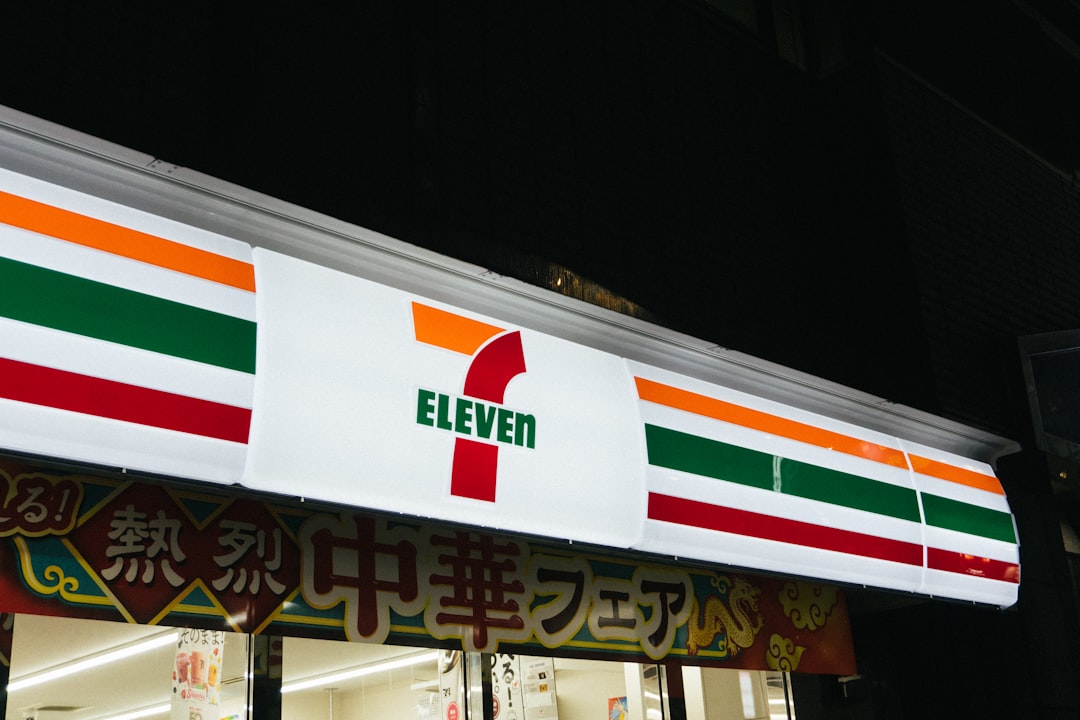
There are convenience stores all over the world—but Japanese konbini are in a league of their own. Tourists from overseas often rave about them, and once you experience one, it’s easy to see why.
Many Japanese convenience stores are open 24 hours a day, 365 days a year, and you’ll find them on nearly every street corner. But they offer far more than just snacks and drinks. Inside, you’ll discover a huge variety of products: fresh meals, seasonal sweets, hot foods, smoothies, freshly ground coffee, fruits and vegetables, toiletries, books, and even clothing. You can pay bills, buy concert tickets, ship packages, and yes—use the clean restrooms for free.
Major chains like 7-Eleven, FamilyMart, Lawson, and Mini Stop constantly compete to offer the best products, each with their own private brands and specialties. This fierce competition drives innovation and quality, making every visit to a konbini feel like a mini treasure hunt.
In Japan, these stores aren’t just convenient—they’re part of daily life. Locals and tourists alike call them “konbini”, and they’ve become a cultural icon. Konbini aren’t just convenience stores—they’re a uniquely Japanese experience.
🍡 Mochi – Japan’s Timeless Sweet
Next, let’s talk about Rice Cake—one of the most iconic and beloved traditional foods in Japan. Soft, stretchy, and satisfying, rice cake has been part of Japanese life for centuries. It’s made from glutinous rice and comes in many delicious forms, such as daifuku (rice cake filled with sweet red bean paste), kinako mochi (coated in roasted soybean flour), and seasonal varieties like sakura mochi, which is wrapped in a cherry blossom leaf.
In Japanese, rice cake is called “mochi”, and that’s the term we’ll use here—because it’s more than just a food. From a young age, Japanese people grow up loving mochi, and it’s deeply woven into our culture. Even the word “mochi” appears in the onomatopoeic expression “mochi-mochi”, which describes a soft and chewy texture—often used to compliment food or even skin!
For me, mochi has always been more than just a sweet snack—it’s part of how we celebrate and connect with tradition. Growing up in Japan, mochi was everywhere: at festivals, during family rituals, and even in our everyday snacks. I remember seeing kagami mochi displayed every New Year, symbolizing good fortune and long life. That soft, chewy texture and the meaning behind it made mochi feel special. It’s amazing how something so simple has carried cultural significance for over a thousand years. To me, mochi isn’t just food—it’s a piece of our heritage.
Rice Cake-Filled French Butter Cookies
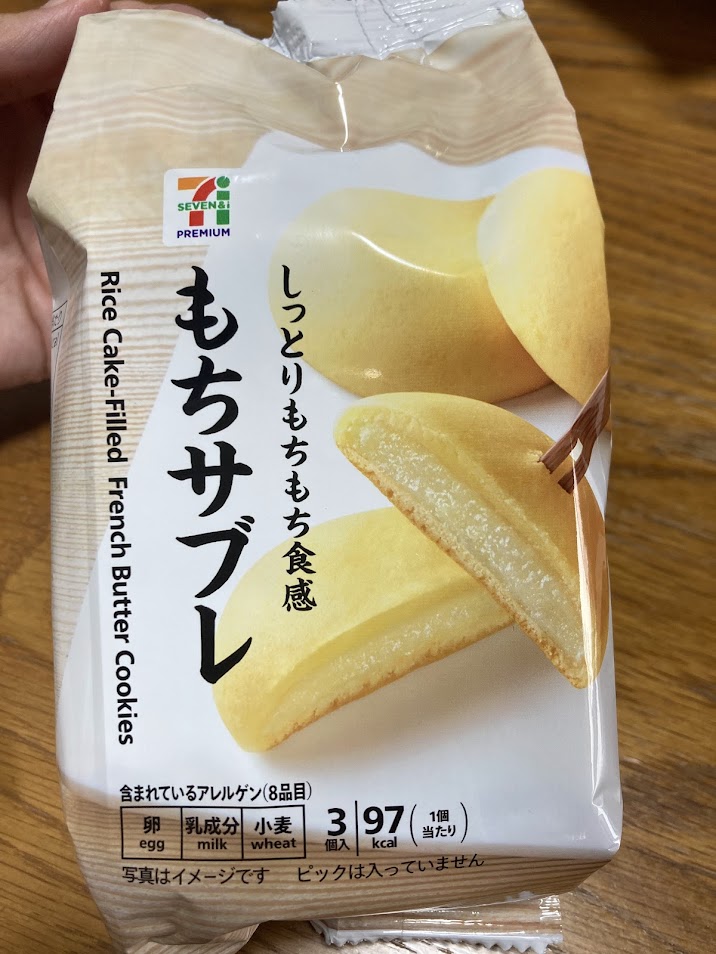
This sweet is a perfect example of how konbini culture blends tradition with innovation. Each pack contains three cookies, individually wrapped—because in Japan, even the smallest details are designed for convenience. It’s practical, beautifully packaged, and makes a lovely little gift.
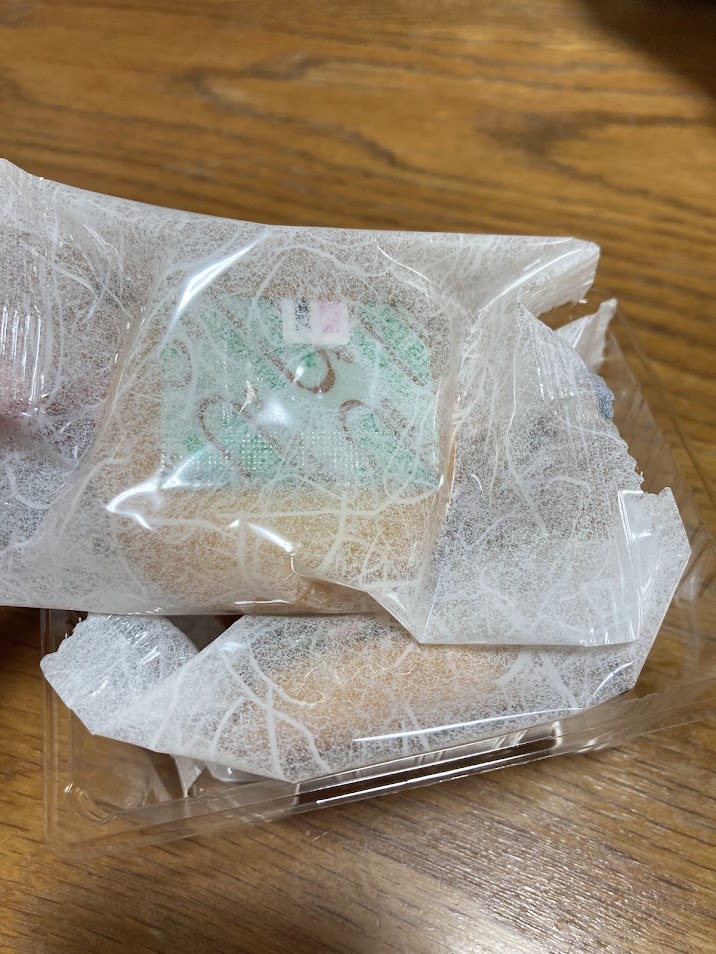
At first glance, it looks like a classic French butter cookie—rich, golden, and almost moon-like in shape.
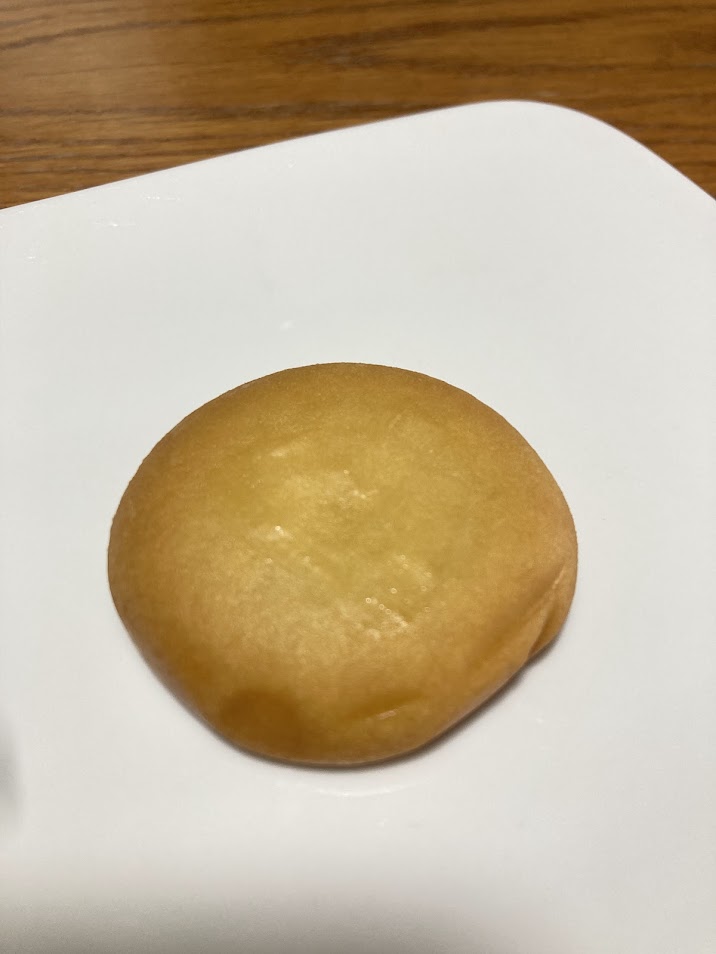
But take a bite, and you’ll be surprised to find a soft, chewy mochi center hidden inside. The outside is moist yet crisp, while the inside offers that signature stretchy, satisfying texture. It’s a delightful harmony of Western pastry and Japanese tradition, all in one bite.
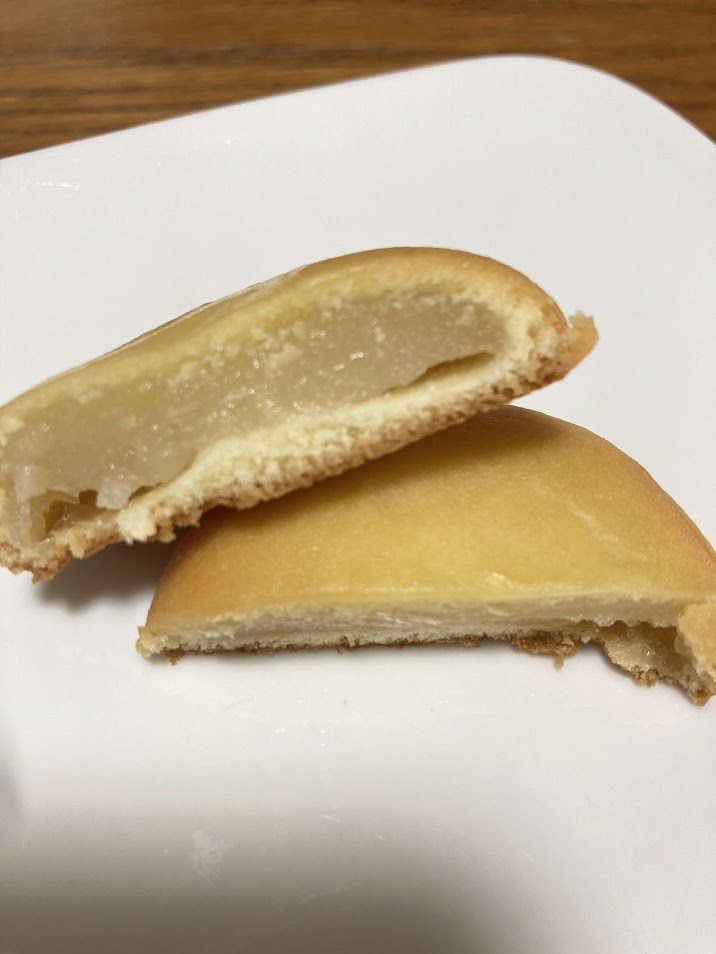
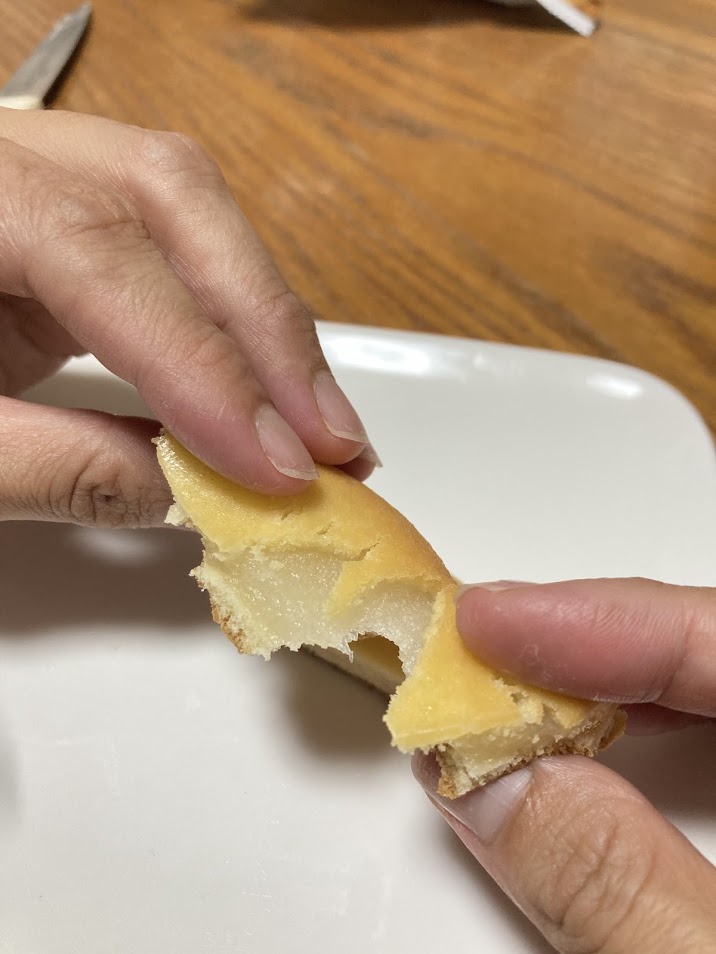
What makes this treat so special isn’t just the taste—it’s the story behind it. Mochi is no longer just a traditional food; it’s being reimagined in exciting new ways, like this modern sweet from 7-Eleven Japan. This cookie is a perfect example of how tradition can be made accessible. Anyone can pick it up easily, enjoy the unique texture, and experience a piece of Japanese culture in every bite. It’s a simple, delicious way to connect with centuries of tradition—no ceremony required.
If you’re interested in exploring more konbini products, I warmly invite you to take a look at my other articles.
Summary
When you visit Japan, don’t miss the chance to step into a konbini. You’ll quickly discover something special—unique Japanese sweets and a one-of-a-kind atmosphere. It’s more than just a convenience store; it’s a place where tradition meets innovation, and everyday life feels a little more exciting. Konbini in Japan aren’t just convenient—they’re a kind of mini amusement park for your taste buds and curiosity.

コメント