Have you ever tried Japanese konbini onigiri? They’re popular with both tourists and locals — tasty, affordable, and easy to find.
But there’s something many first-time visitors don’t expect. The wrapping is unique — and a little confusing if you don’t know the trick.
If you open it the wrong way, the seaweed sticks to the film instead of the rice 😅
In this article, I’ll show you how Japanese convenience store onigiri are meant to be opened, step by step — and how you can enjoy the same fun wrapping experience at home.
Japanese convenience store onigiri are designed to keep the rice soft and the seaweed crisp until the moment you eat it.
That’s why they use a special wrapping system — one you won’t usually see with homemade onigiri.
Once you know how it works, opening it becomes part of the fun.
スポンサーリンク
How to Open a Japanese Konbini Onigiri (Tawara Shape)
You might be more familiar with triangle-shaped onigiri — they’re often featured in travel guides and social media.
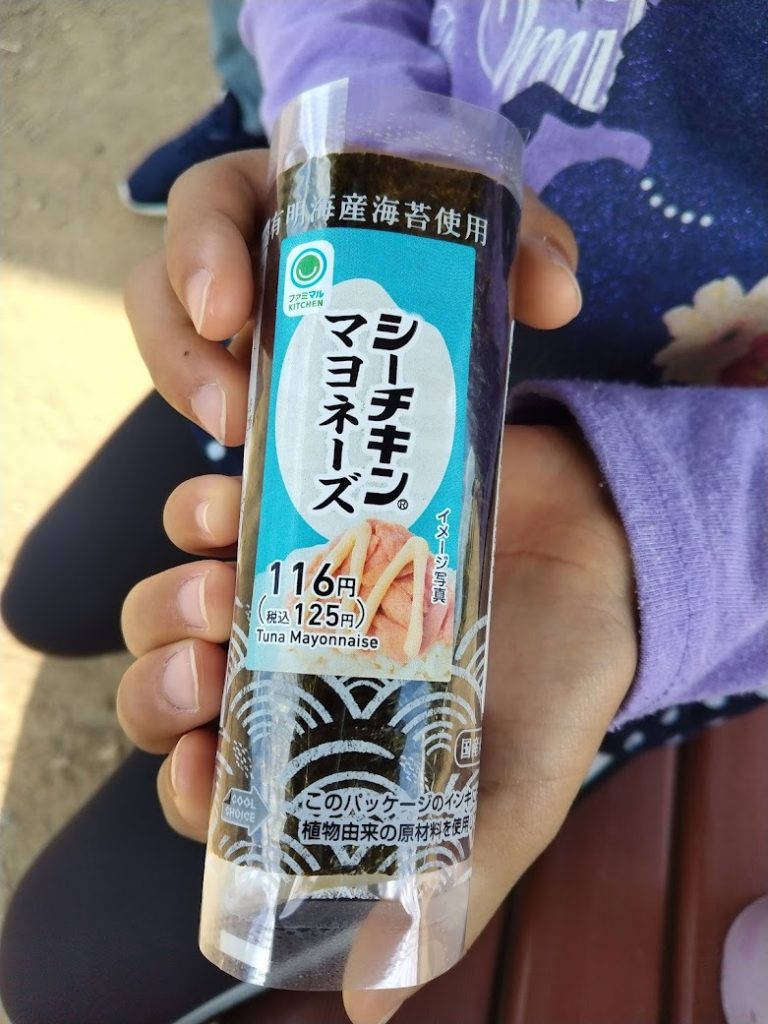
In this article, I’m focusing on a tawara-shaped (oval) konbini onigiri, which is just as common in Japan and actually very easy to eat.
Many popular fillings like natto, tuna mayo, and salmon are often found in this shape at Japanese convenience stores.
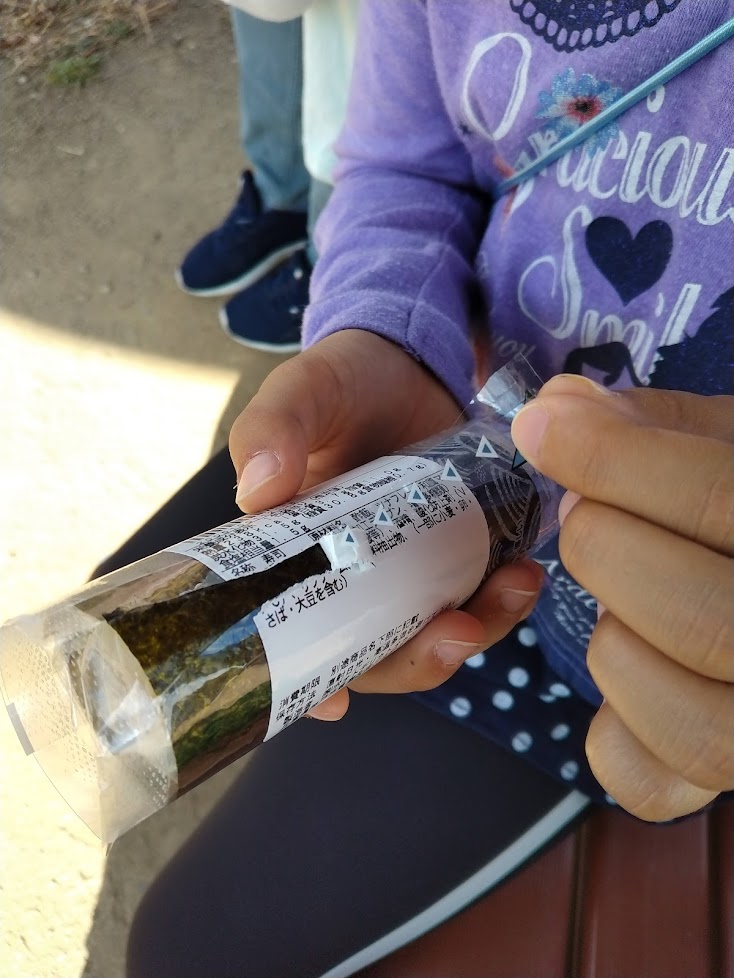
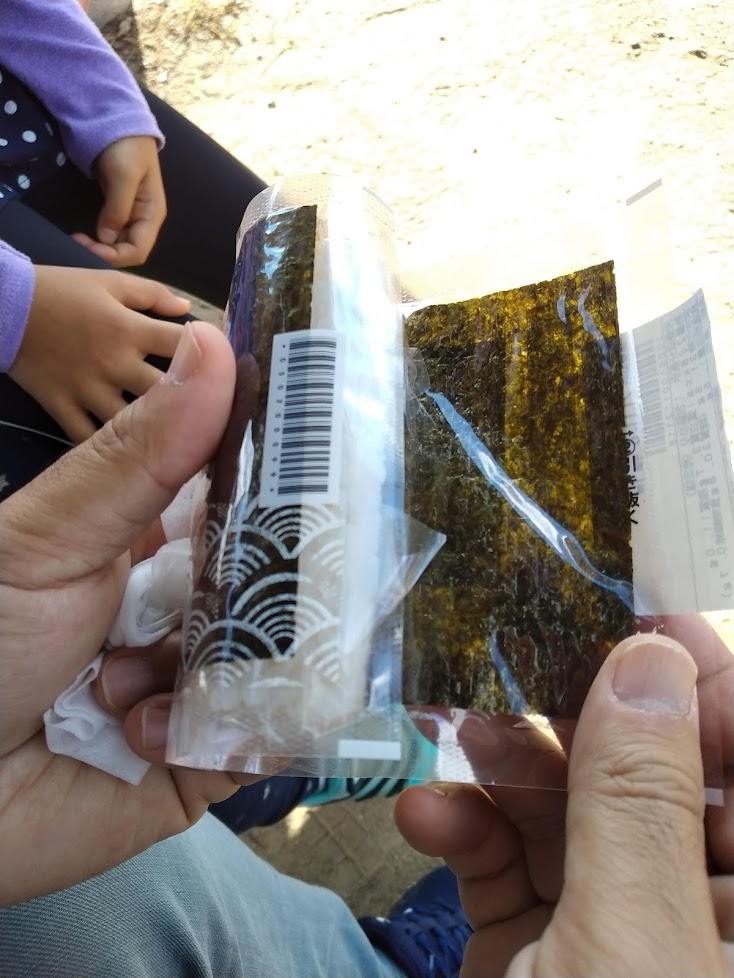
Step 1: Pull the strip Pull the center strip all the way out. The plastic film will split open smoothly from the middle.
Step 2: Notice the seaweed Once the film opens, you’ll see that part of the nori (dried seaweed) is not covered by plastic. This is the key to keeping it crispy.
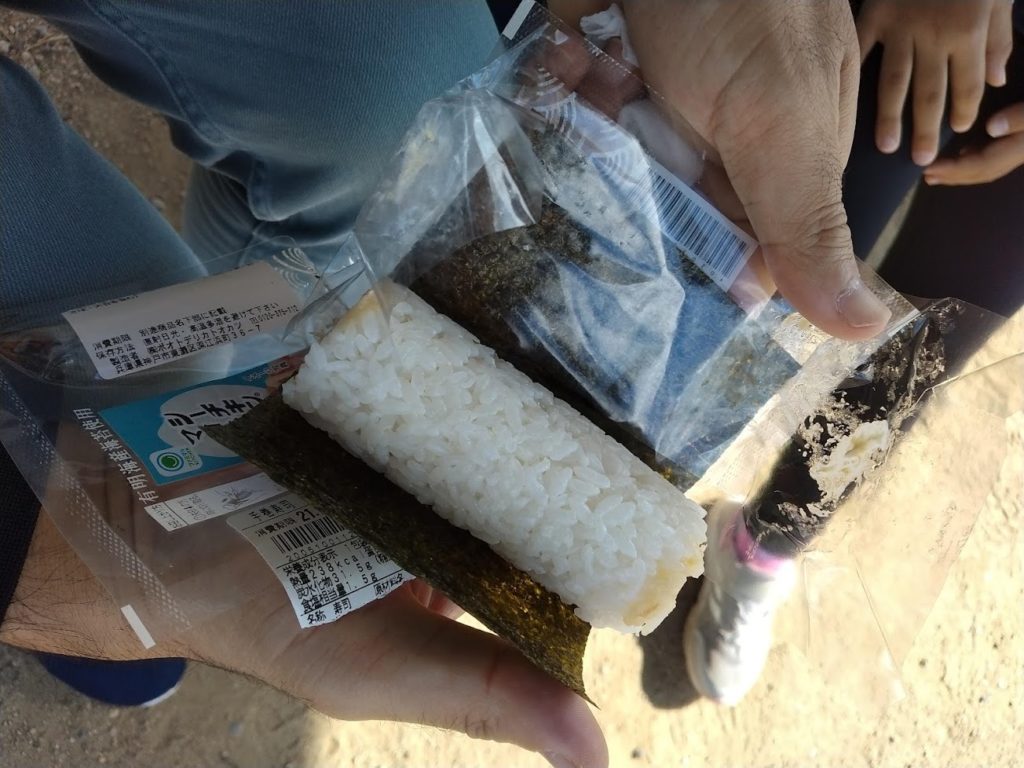
Step 3: Slide the rice Gently slide the rice onto the exposed seaweed, just like in the photo.
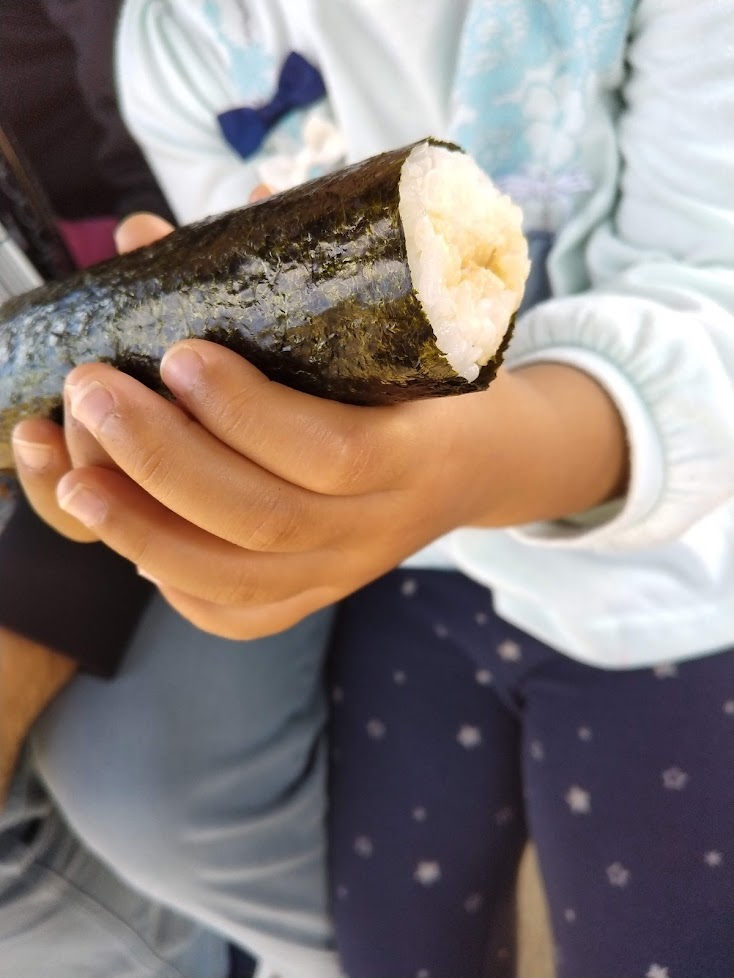
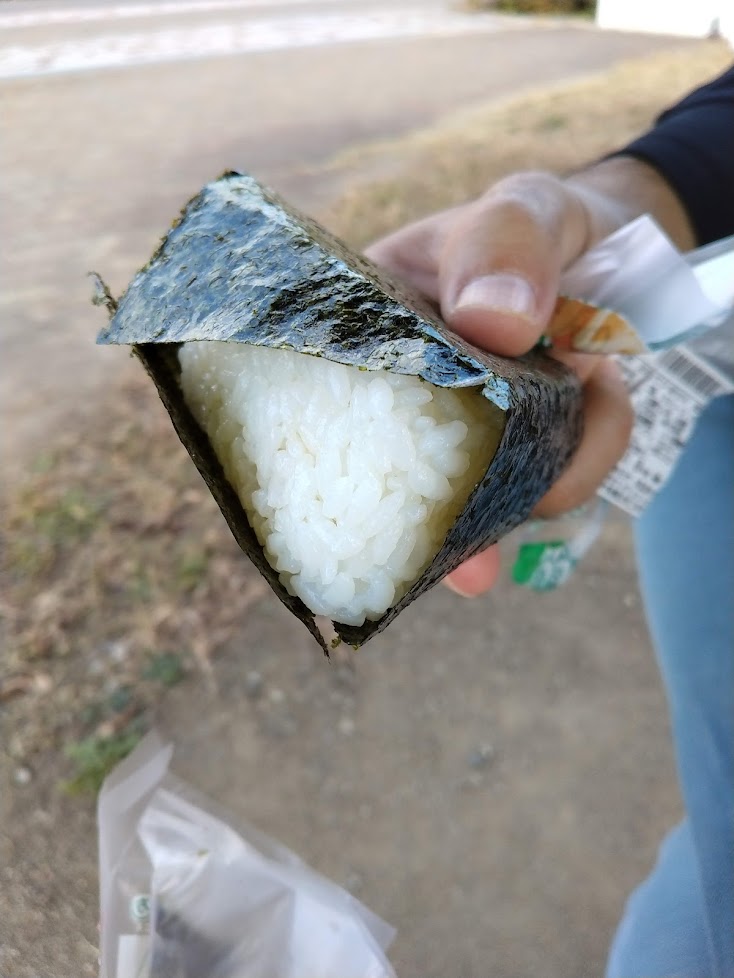
Step 4: Roll and enjoy Remove the remaining film, then roll the rice with the toasted nori around it. That’s it — your onigiri is ready to eat!
The seaweed stays dry until the very last moment, so you can enjoy its light, crispy texture with every bite.
スポンサーリンク
Why Japanese Konbini Onigiri Are Wrapped This Way
Japanese convenience store onigiri are wrapped this way for one simple reason: to keep the seaweed crispy until the moment you eat it.
In Japan, texture matters just as much as taste. Soft rice and crisp nori create a contrast that many people enjoy.
The wrapping may look complicated at first, but once you try it, you realize it’s carefully designed — not just packaging, but part of the eating experience.
Enjoying the Same Experience at Home
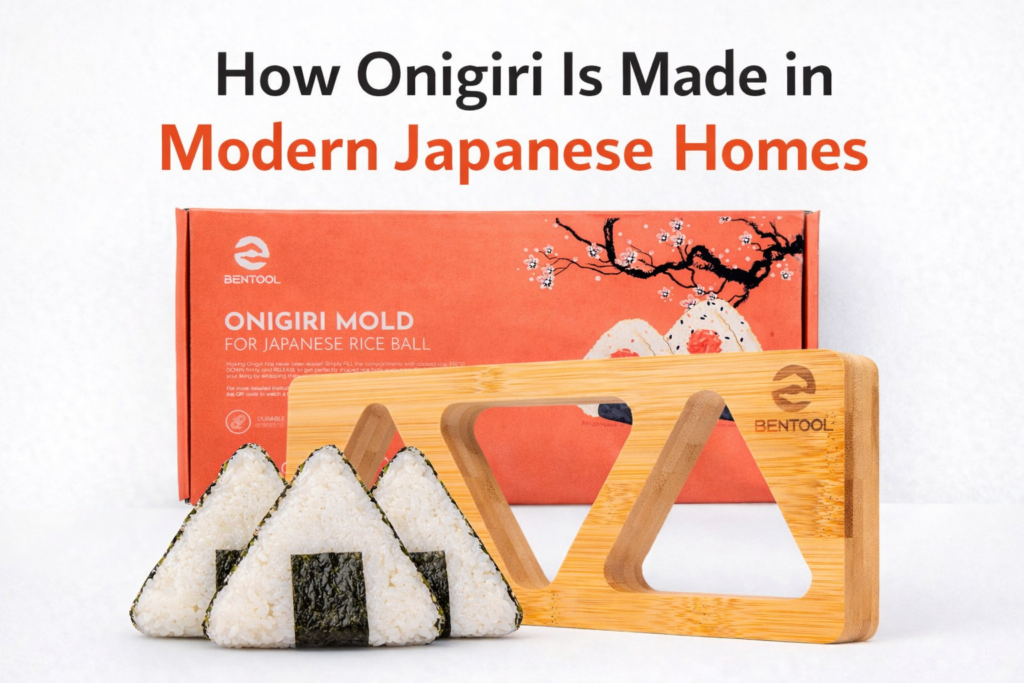
At home, we usually make onigiri by hand — either with bare hands or using plastic wrap. When I need to make several at once, I sometimes use an onigiri mold.
The konbini-style unwrapping experience, however, is something quite unique. Peeling off the film and revealing the rice feels a little special, even before the first bite.
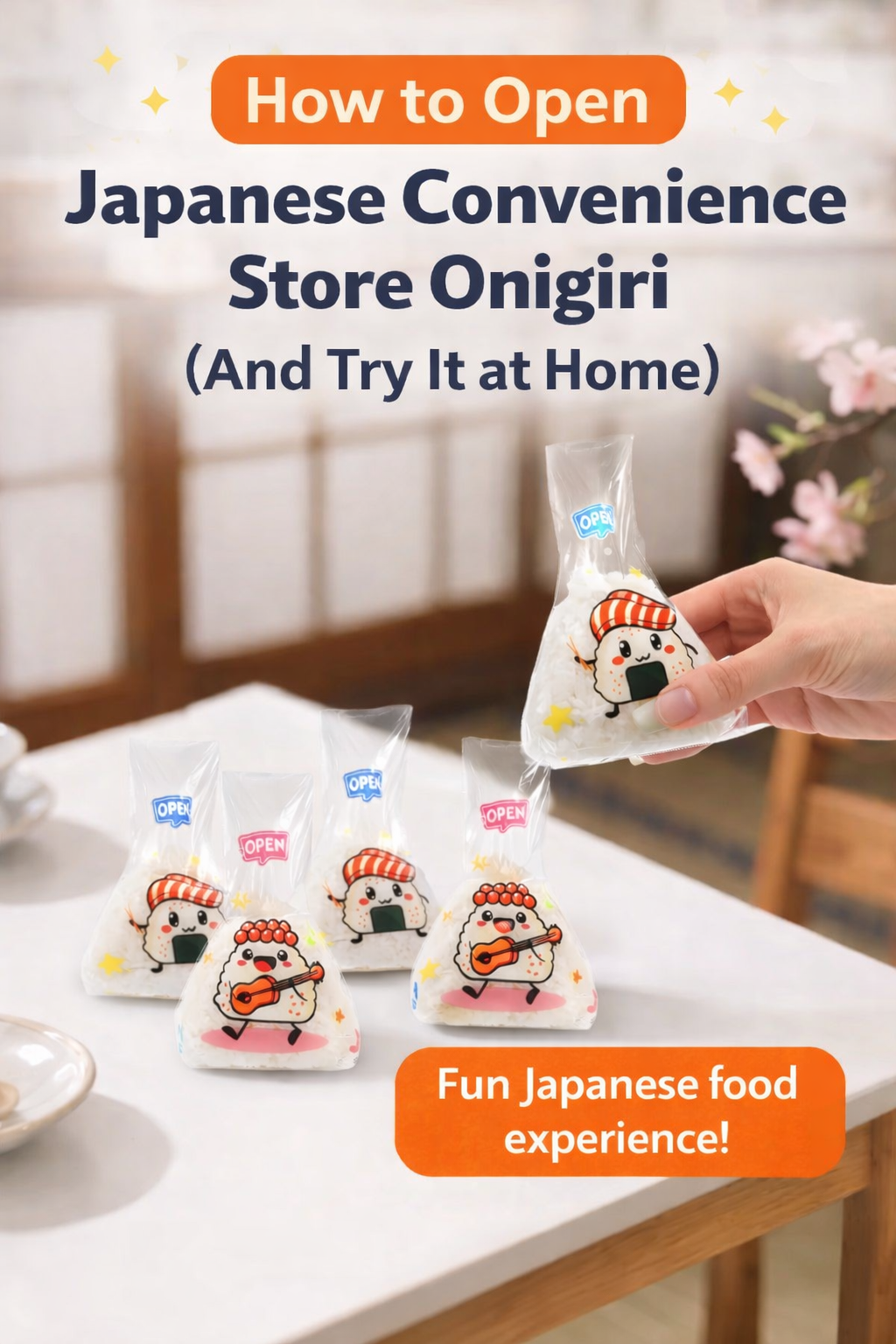
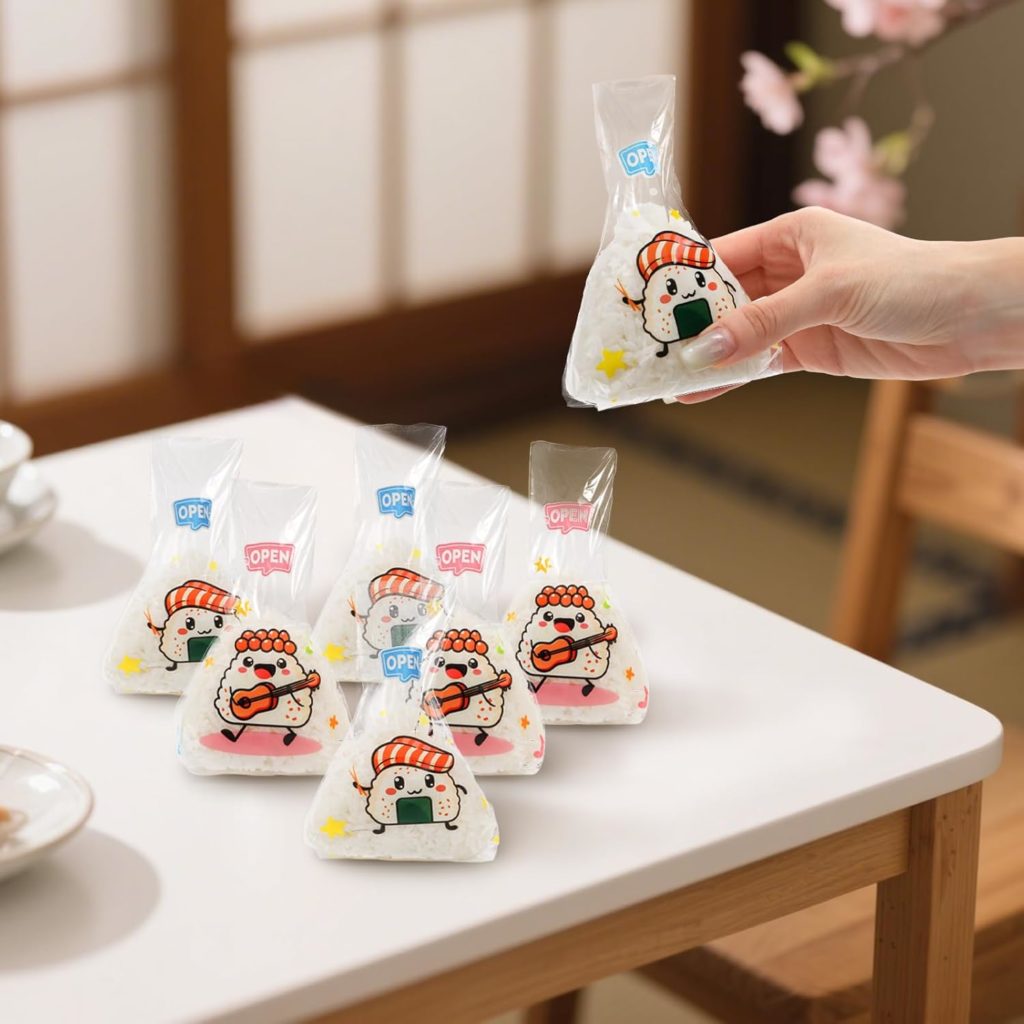
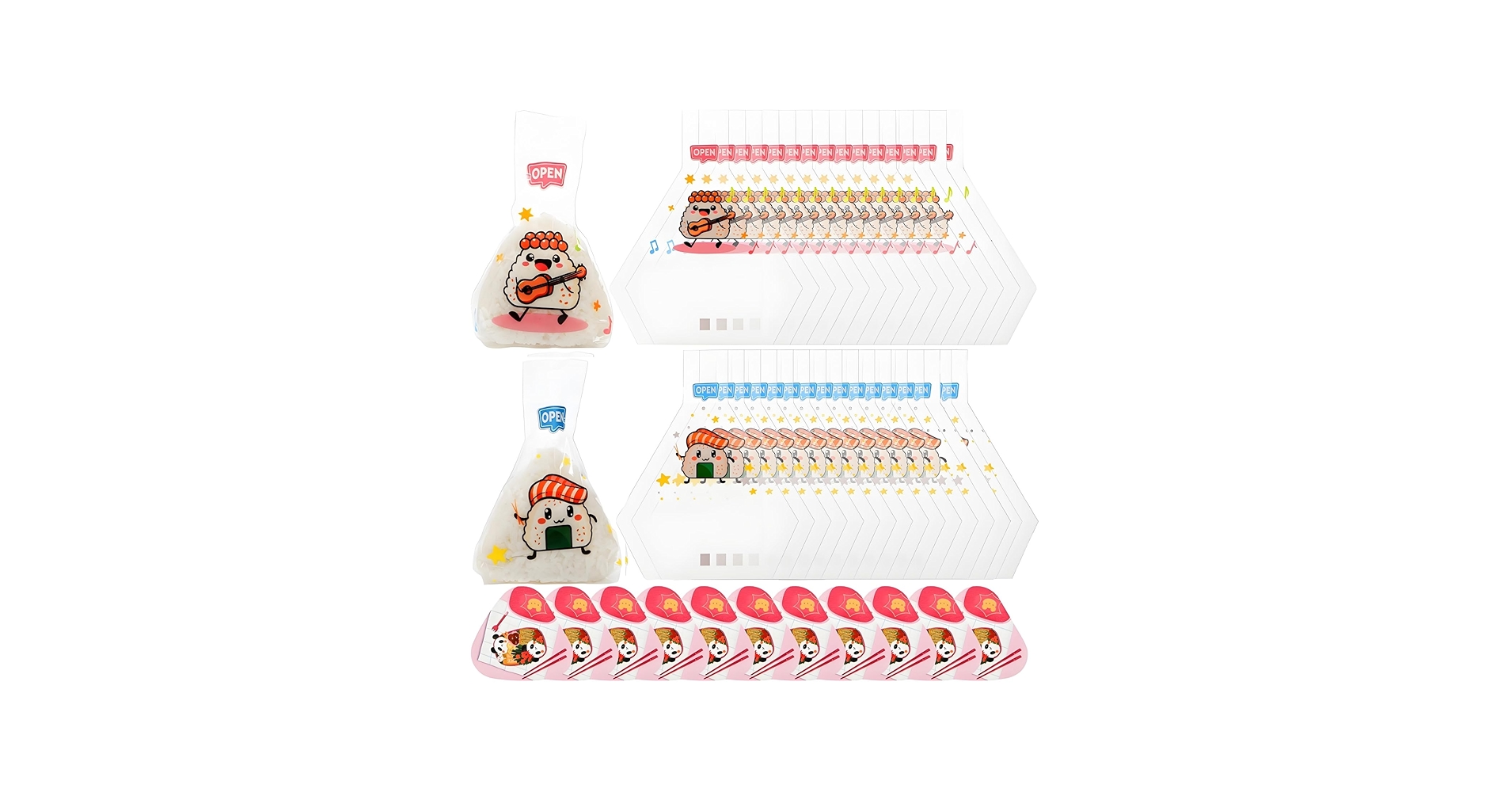
I found a type of onigiri wrapping that lets you enjoy this tear-off style at home. To be clear, it doesn’t keep the nori crispy like convenience store onigiri — the structure is different.
Instead, it’s designed to let you wrap, open, and eat onigiri in a similar way, making the experience feel fun and familiar for people who enjoy Japanese konbini food culture.
It’s a small detail, but for many people, these little experiences are what make Japanese food culture so enjoyable.
For us, konbini onigiri are more than just food — they’re a fun experience. I usually make onigiri at home for my kids, and it’s more affordable than buying them at a convenience store.
Still, konbini onigiri feel special. The variety of fillings, the neat shape, and the unique wrapping all make them enjoyable in a different way.
That’s why I find myself curious about trying this kind of onigiri wrapper at home — not as a replacement, but as a way to enjoy a small part of the konbini experience again.
Some links in this article are affiliate links. Thank you for your support.

コメント