Rice is the heart of Japanese home cooking—and there’s a reason it tastes so different at home.
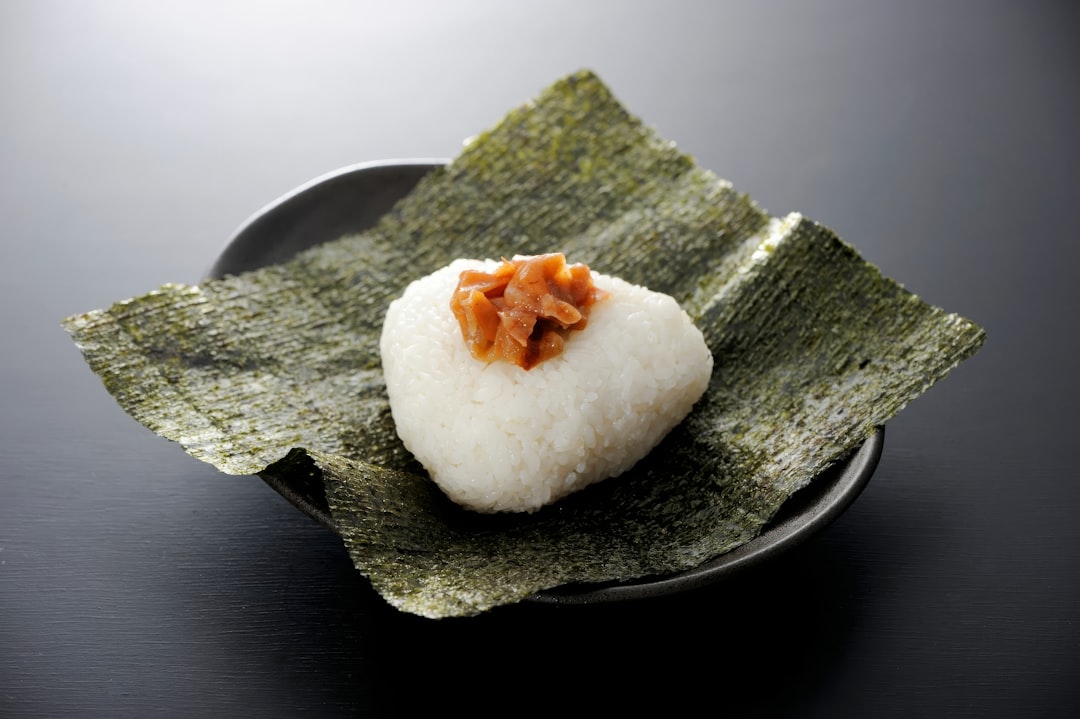
When you think of Japanese food, what comes to mind? Whether it’s Sushi, Onigiri, or a simple home-cooked meal, there is one thing that connects them all: delicious, sticky, and fluffy steamed rice. In Japan, rice isn’t just a side dish; it’s the heart of the table. For my family of four, I cook about 3 go (the Japanese measurement for about 3 cups) every single day. We never get tired of it!
If you’re used to long-grain varieties like Indica or Basmati, you might find Japanese short-grain rice to be a totally different experience. It’s shiny, slightly sweet, and has a unique texture that we find beautiful.
So how do Japanese families get it right every single time?
It’s a mix of simple technique and the quiet “magic” of the Japanese rice cooker.
Today, I’ll show you how rice is cooked in a typical Japanese home.
A Must-Have in Every Household: The Japanese Rice Cooker
The rice cooker is a quiet but essential part of everyday life in Japan.
For many families, it’s the easiest and most reliable way to prepare rice for daily meals.
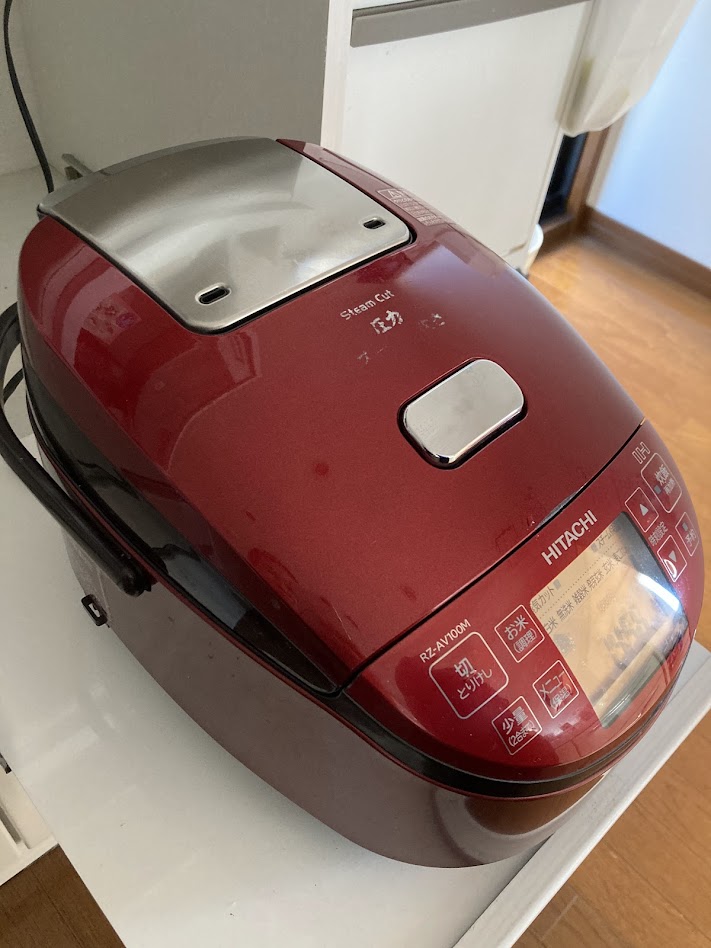
In Japan, the rice cooker (suihanki) is more than just a kitchen tool—it’s part of the family routine. Almost every household owns one, and if you’ve ever used a Japanese rice cooker, you may have noticed it comes with a special measuring cup designed just for Japanese rice.
How to Use It Like a Pro
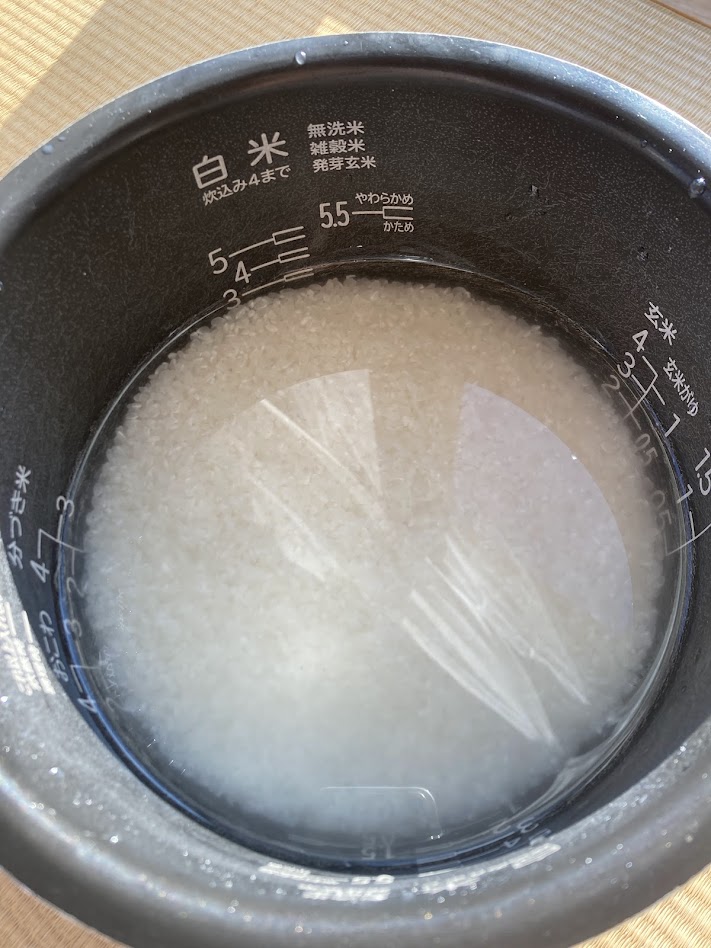
- The “Go” Measurement: In Japan, one cup of rice is called 1-go (approx. 180ml). If you measure out 2 cups (2-go), you simply fill the water to the “2” line inside the pot. It’s that easy!
- The 30-Minute Secret: Before you hit the start button, let the rice soak in the water for at least 30 minutes. This is the secret to making each grain plump and sweet.
- The “Fluff” Rule: Once the timer goes off, don’t wait! Open the lid and gently fold the rice with a spatula (Shamoji). Imagine you are cutting through the rice and bringing the bottom layer to the top to let it breathe. This prevents the rice from getting mushy.
Note: Japanese rice (Japonica) has a very different profile compared to other grains. If you want to dive deeper into the differences, click here to read my comparison of Japonica rice vs. other types!
The Charm of Japanese Rice: What Makes It So Special?
The Art of Rinsing: Don’t Break the Grains!
Rinsing rice isn’t just about cleaning; it’s about preparing the texture.
- First Water is Everything: Rice absorbs water most quickly at the very beginning. For the first rinse, use filtered or high-quality cold water if possible. Pour it in, give it a quick swirl, and drain it immediately so the rice doesn’t absorb the dusty smell of the bran.
- Be Gentle: While the rice is damp, use your fingers to gently “wash” the grains. Don’t press too hard—you don’t want to break them!
- The 2-3 Times Rule: Add more water, swirl, and drain. Repeat this 2 or 3 times until the water is slightly cloudy but not milky.
- Temperature Matters: Always use cold water. Warm water prevents the rice from soaking up moisture properly.
- Warning: Don’t soak the rice for too long (like over several hours at room temperature), or the grains may lose their structure and become too soft.
Understanding the Buttons: More Than Just “On/Off”
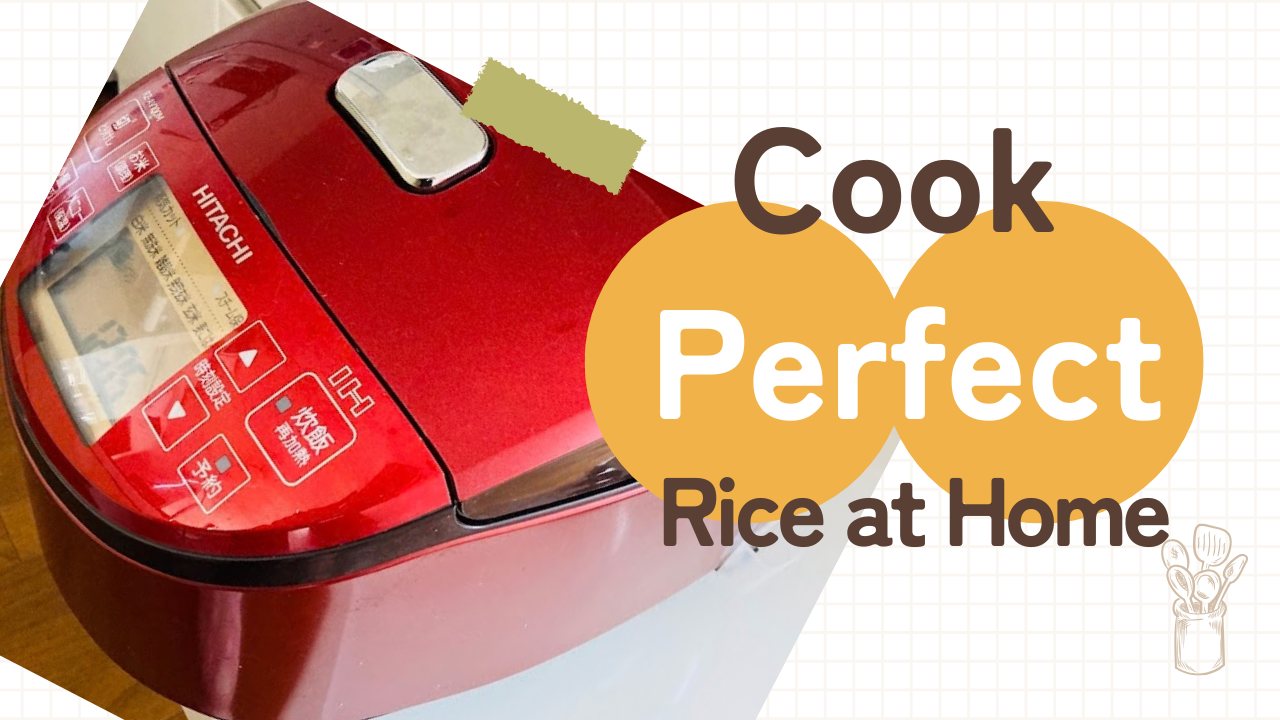
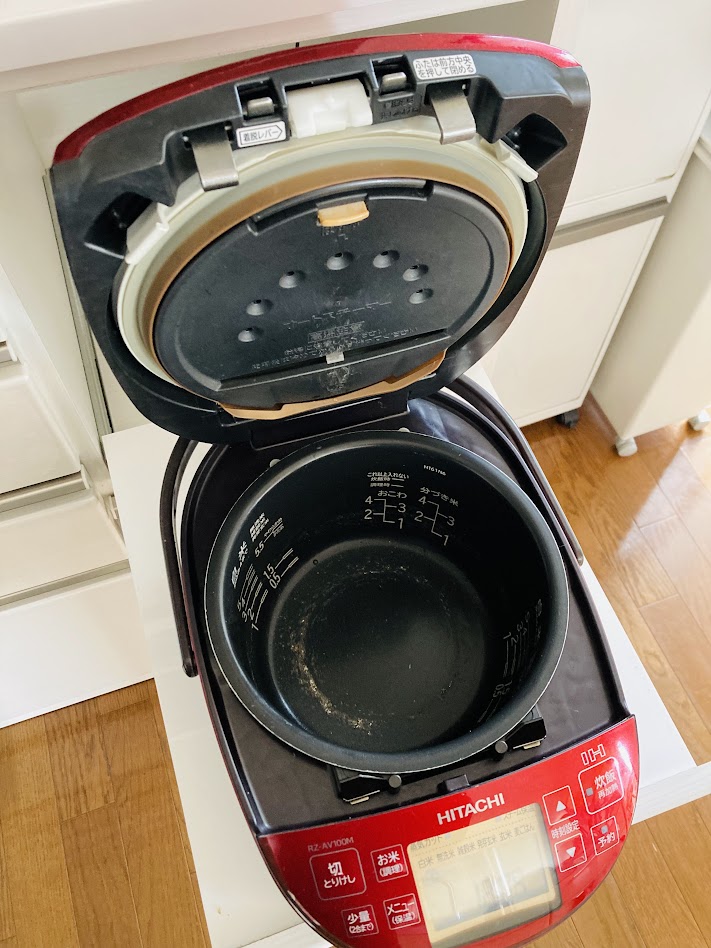
Modern Japanese rice cookers are high-tech gadgets with amazing features. Here’s what those buttons usually mean:
- Texture Settings: You can often choose your preferred finish: Regular (Futsu), Premium/Soft (Gokujo), or Firm (Katai).
- Rice Varieties: There are specific modes for White Rice (Hakumai), Mixed Rice (Takikomi), and Brown Rice (Genmai). Each mode adjusts the soaking and steaming time automatically.
- The Timer (Yoyaku): This is a lifesaver! You can set the exact time you want the rice to be finished. Set it before bed, and wake up to the smell of fresh rice!
- Keep Warm (Hoon): You can choose between Low Temp or High Temp keep-warm modes. High temp keeps it safe for longer, while low temp prevents the rice from drying out too quickly.
Why a Rice Cooker Makes a Difference in Japanese Homes
In Japanese cooking, how heat is applied to rice really matters.
Different rice cookers transfer heat to the rice in different ways, and this affects the final texture.
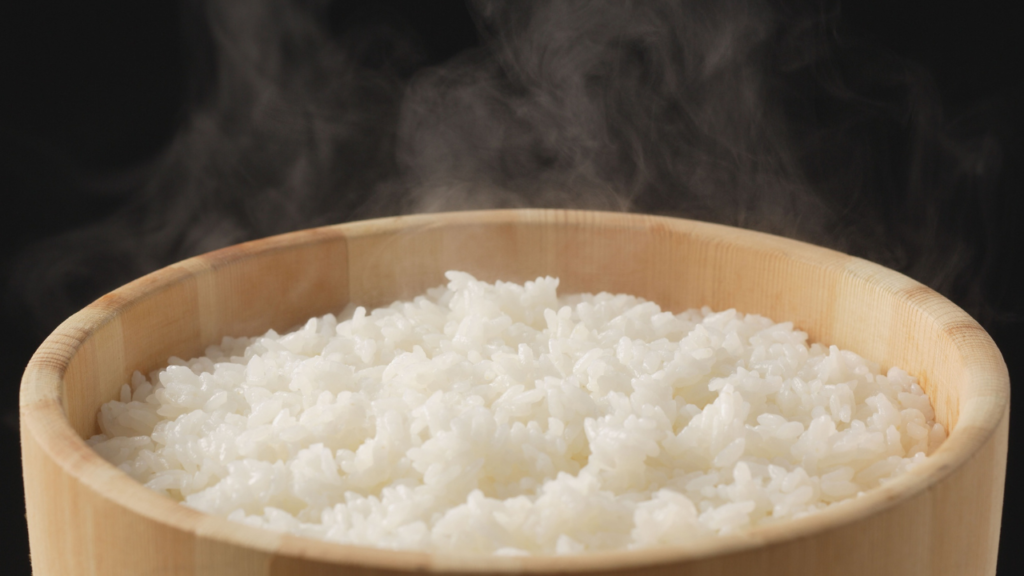
A good Japanese rice cooker gently cooks the rice so it becomes white, glossy, and fluffy—just the way it’s meant to be. This texture pairs perfectly with a typical Japanese meal, which often focuses on simple, balanced, and healthy dishes.
But cooking the rice is only part of the story.
In many Japanese households, rice is not eaten all at once. That’s why the keep-warm function is just as important. A well-designed rice cooker keeps the rice warm without drying it out or changing its flavor, even hours after cooking.
This is how many Japanese families are able to enjoy good rice every day, without complicated techniques.
How to Recreate This Experience at Home
Outside Japan, it can be difficult to achieve the same rice quality.
Different rice varieties, water, and cooking tools all affect the final result.
However, using the right type of rice cooker is one of the simplest ways to get closer to how rice is cooked in Japanese homes.
Japanese rice cookers are known for their high quality, especially the inner pot.
The thickness and material of the pot allow heat to be distributed evenly, bringing out the natural sweetness and texture of the rice.
This is a level of taste that is hard to achieve with ordinary rice cookers.
This is not for everyone.
If you only cook rice occasionally or are happy with very basic results, a simple cooker may be enough.
But if you value good rice as part of your daily meals—like many Japanese families do—the right rice cooker can make a real difference.
In Japan, a rice cooker is chosen not for speed, but for how well it supports daily meals.
Comparison & FAQ
| Feature | Modern IH Rice Cooker | Basic Rice Cooker |
| Heat Source | Induction (Heats the whole pot) | Bottom heating element only |
| Texture | Consistently fluffy and sweet | Good, but can be uneven |
| Best for | Families who eat rice daily | Occasional use or small kitchens |
Q&A
Q: How long can I keep rice in the “Keep Warm” mode?
A: Most Japanese families recommend eating it within 12–24 hours. After that, the rice can start to yellow or lose its fresh scent. If you have leftovers, it’s better to wrap them in plastic wrap while warm and freeze them!
Q: Can I use the same rice cooker for Brown Rice?
A: Yes! But make sure to use the “Genmai” setting and follow the specific water lines for brown rice, as it requires much more water and a longer soaking time than white rice.
Finding Your Perfect Bowl
New types of high-tech rice cookers are constantly appearing in Japan, each packed with fascinating and futuristic features.
My own rice cooker is already three years old, but it still cooks rice beautifully every single day.
To be honest, even in Japan, it can be hard to fully use all the advanced functions of the newest models.
But here’s the thing: while the rice cooker matters, the rice itself is just as important.
In Japanese supermarkets, you’ll find an incredible variety of rice brands, each with its own flavor and texture.
Choosing both the right rice and the right cooker is what makes everyday Japanese meals feel complete.
If you’re curious about recreating this simple but satisfying rice experience at home, starting with a reliable Japanese rice cooker is one of the easiest steps.
This is not about chasing the newest model, but about finding one that fits your daily life.
This article contains affiliate links. Your support helps me continue sharing Japanese culture.


コメント