Have you ever heard that people in Japan eat KFC for Christmas?
It might sound surprising, but this unique tradition has become a big part of the holiday season in Japan. Even though most people aren’t Christian, Christmas is still widely celebrated—with festive cakes, family gatherings, and, most famously, fried chicken.
But here’s the twist: while fried chicken like karaage is popular year-round, Christmas in Japan is strongly associated with KFC.
Travelers often say that Japanese KFC feels completely different from what they know back home. From the quality to the famous “shittori” (moist and juicy) texture, it has become something people are genuinely curious to try.
So why did this happen—and what makes it so special?
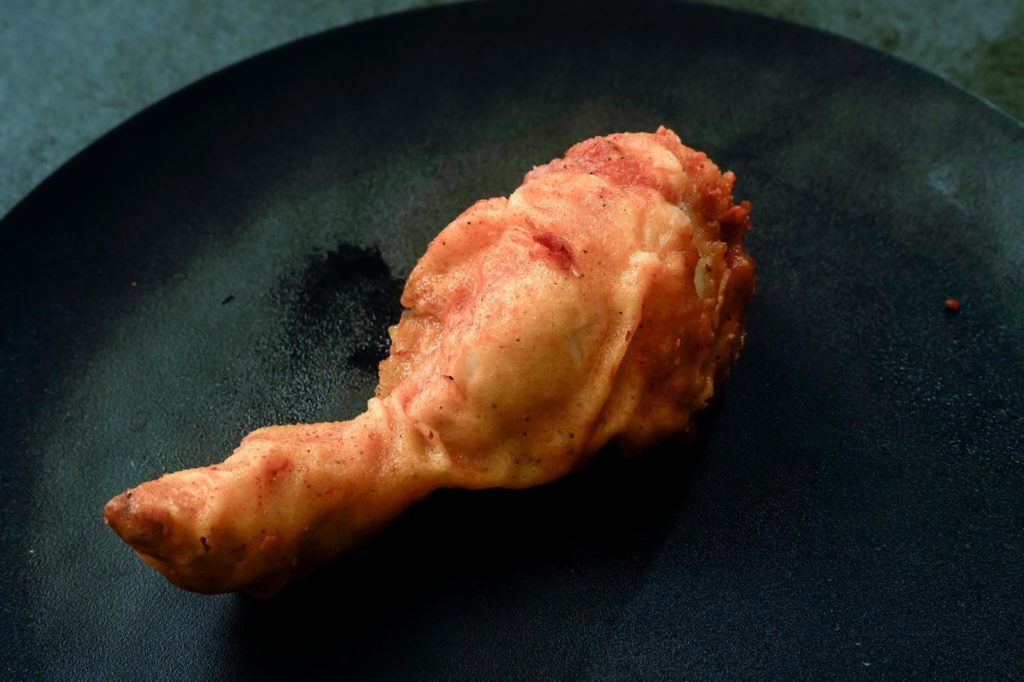
If you’re curious about how Japanese fried chicken tastes so different,
you can actually recreate a similar flavor at home.
I personally use a Japanese karaage seasoning mix that makes the chicken incredibly juicy inside and crispy outside. It’s surprisingly simple—even beginners can do it.
Why Do Japanese People Eat KFC on Christmas?
In Japan, Christmas is one of the busiest days of the year for Kentucky Fried Chicken. Many families actually reserve their chicken weeks in advance, because popular sets sell out quickly.
This is very different from the United States, where you can usually walk into KFC any time of year without a reservation.
The tradition began because turkey was not commonly eaten in Japan, so fried chicken became an easy and festive alternative. In the 1970s, KFC launched a campaign called “Kentucky for Christmas,” encouraging families to celebrate with a bucket of chicken.
Over time, what started as a marketing idea turned into a nationwide Christmas tradition.
But even more surprising than the reservation system is the taste itself. Many foreigners are shocked by how juicy and well-seasoned Japanese fried chicken is.
The “Shittori” Shock: Why Japan’s KFC Ruins Fast Food for Everyone Else
In the West, KFC can be a bit of a gamble—sometimes it’s greasy, and all too often, the breast meat is disappointingly dry. But in Japan, it’s a whole different story.
Expats and tourists alike are consistently blown away by the “shittori” (succulent and moist) texture of the chicken here. Thanks to strict quality control and the use of domestic “Herb Chicken,” every bite is tender and bursting with juice. It’s so consistent that foodies worldwide often rank Japan’s KFC as the best on the planet. For many foreigners, trying KFC in Japan is a “lightbulb moment” where they realize just how good fast-food fried chicken can actually be.
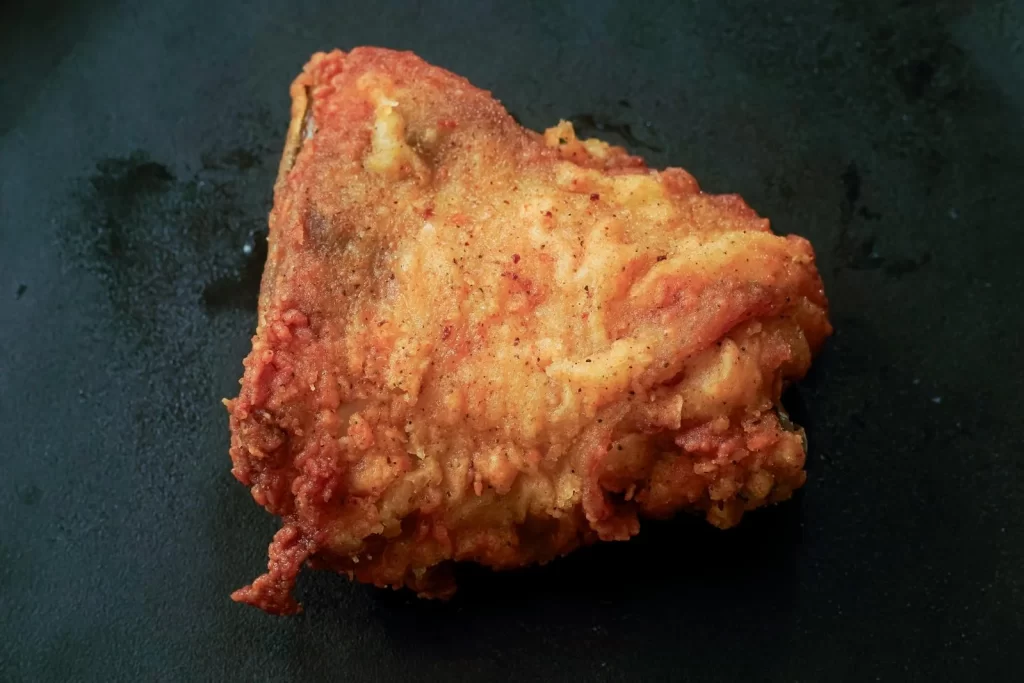
If you’re wondering how to recreate that same juicy and flavorful texture at home, it’s actually much easier than you might think.
I personally use a Japanese karaage seasoning mix that gives the chicken that signature “shittori” (moist and tender) texture inside, while keeping it crispy on the outside.
All you need to do is cut the chicken into bite-sized pieces, coat them evenly with the powder, let it sit for about 3 minutes, and deep fry at 170°C (340°F) for about 3 minutes.
That’s it.
It’s simple, quick, and surprisingly close to the kind of fried chicken people love in Japan.
The Rival Contender: The Cult of “Mos Chicken”
While KFC is the heavyweight champion, Japan has a homegrown hero that commands just as much respect: Mos Burger’s “Mos Chicken.” During the Christmas rush, you’ll see massive lines snaking around Mos Burger locations too. What makes it special? Unlike the heavy, flour-based batter of Western chicken, Mos Chicken uses a rice flour coating. This creates an incredibly light, airy crunch that stays crispy even after it cools down. With its subtle soy sauce and ginger marinade, it offers a refined, “Wa-fu” (Japanese-style) alternative that many locals actually prefer over the Colonel’s recipe.
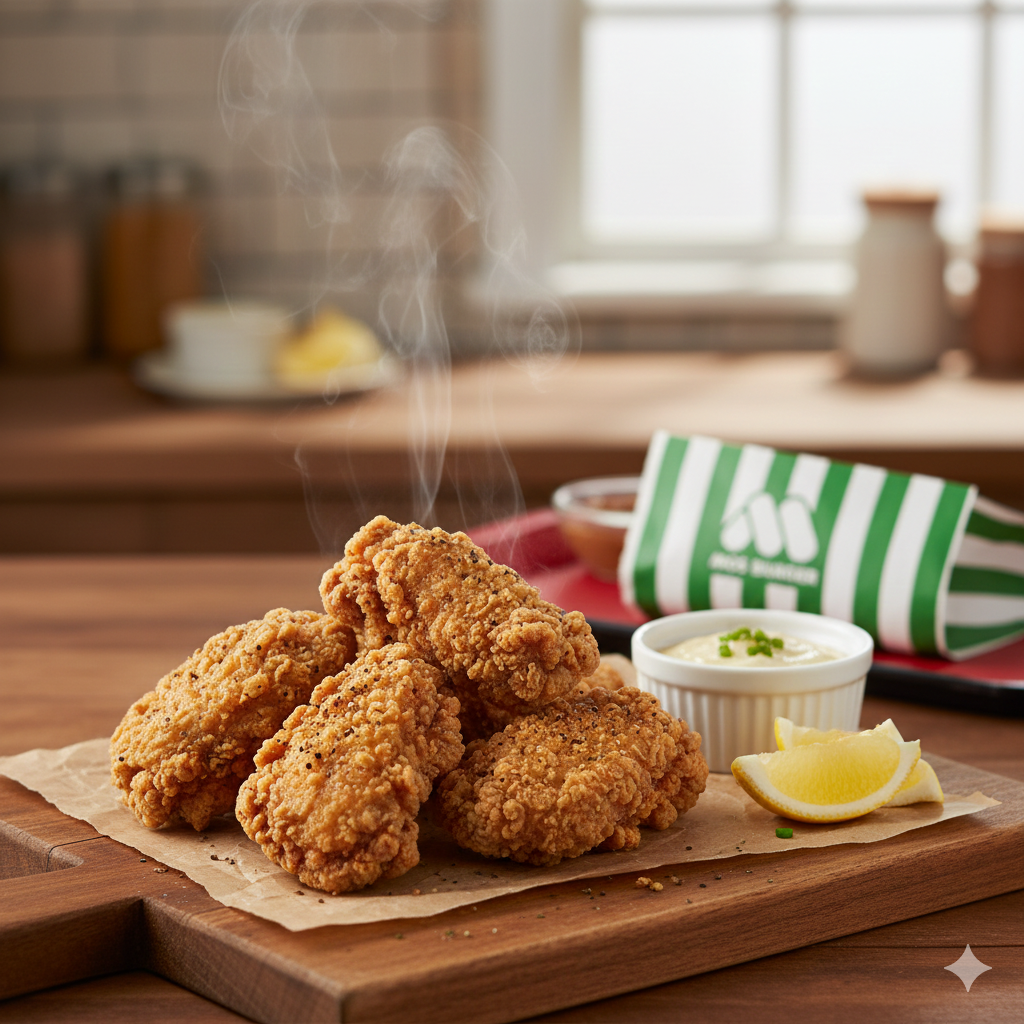
Not Your Average Karaage: A Holiday Upgrade
You might wonder: “Don’t Japanese people eat fried chicken all year round?” Well, yes—but that’s Karaage.
To the untrained eye, they might look similar, but to a Japanese person, they are worlds apart. Karaage is typically bite-sized, marinated in garlic and ginger, and served as a humble side dish with rice. Christmas Chicken, however, is an event. It’s bigger, bolder, and seasoned with a complex blend of spices that signals “celebration.” The fact that people are willing to stand in freezing lines for hours just to bring home a bucket of fried chicken proves that in Japan, this isn’t just fast food—it’s a holiday ritual.
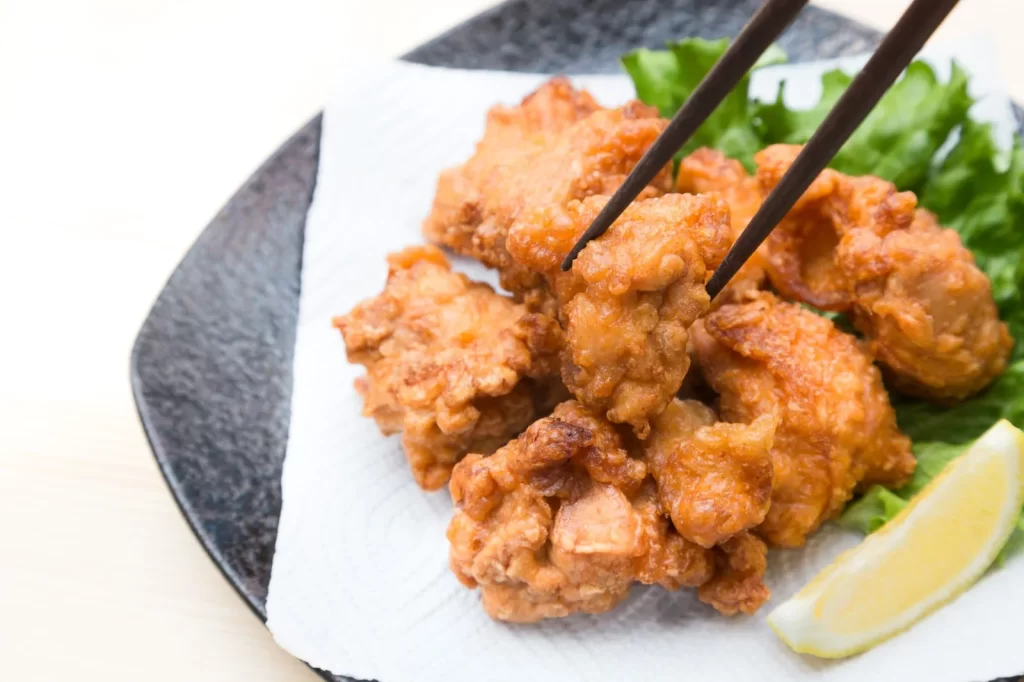
Confused about which one to order? Here’s a quick breakdown of the textures and flavors that make each of these Japanese favorites unique!
| Feature | KFC Japan (The King) | Mos Chicken (The Challenger) | Karaage (The Daily Hero) |
| Coating | Flour with 11 secret herbs & spices | Rice flour (komeko) for extra crunch | Potato starch (katakuriko) or flour |
| Texture | “Shittori” (Moist) & tender | Light, airy, and shatteringly crisp | Crunchy outside, juicy inside |
| Flavor Profile | Salty, peppery, and savory | Soy sauce and ginger (Wa-fu style) | Garlic, ginger, and soy sauce |
| Bone-in? | Yes (Traditional cuts) | Mostly boneless (Easy to hold!) | Always boneless (Bite-sized) |
| Best For… | A big family Christmas feast | A light snack while exploring | An everyday meal or bento box |
If you’re a fan of Japanese food culture, you won’t want to miss this! Read on to find out more.
What Is Oden? Discover Japan’s Hidden Winter Comfort Food
Warm up with oden—Japan’s beloved winter comfort food. From konbini counters to homemade pots, it’s love at first slurp!
Karaage at Home
If you ever visit Japan during Christmas, trying KFC is a fun cultural experience.
But if you can’t travel right now, you can still bring a taste of Japan to your home.
This simple seasoning mix makes it incredibly easy to recreate that juicy, flavorful fried chicken that so many people love.
This post contains affiliate links. If you click on one and make a purchase, I may receive a small commission at no extra cost to you. Thank you for supporting my blog!
コメント