Japanese bakeries are famous among travelers for their soft, fluffy bread and unique sweet pastries. One of the most iconic is melon pan, a sweet bun covered with a cookie-like crust. If you’ve ever wondered what makes Japanese bread so special, this guide explains everything simply for first-time visitors.
Japanese bakeries use a method called yudane, which mixes flour with hot water to create extra softness and moisture. This is why Japanese bread stays fluffy even the next day.
Most foreign visitors say Japanese bread tastes:
softer
lighter
sweeterthan Western bread.
スポンサーリンク
What Is Melon Pan?
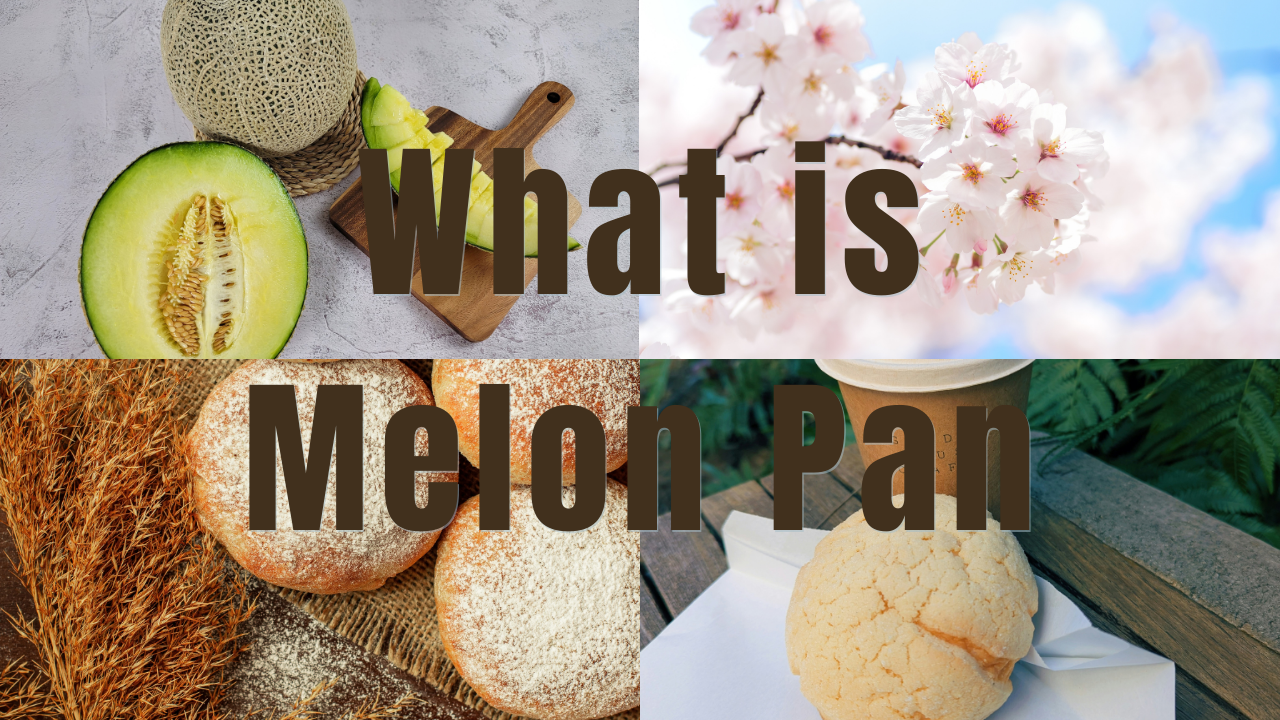
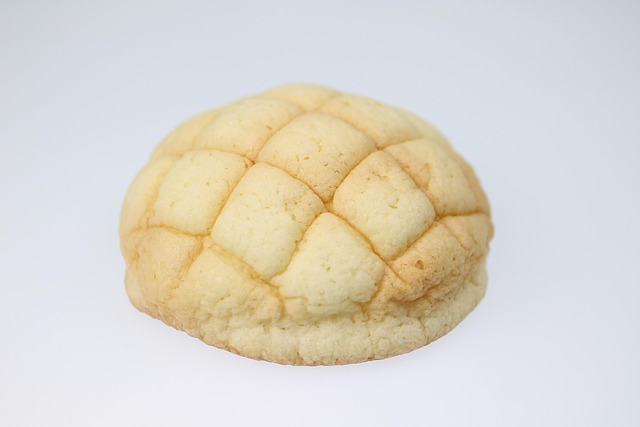
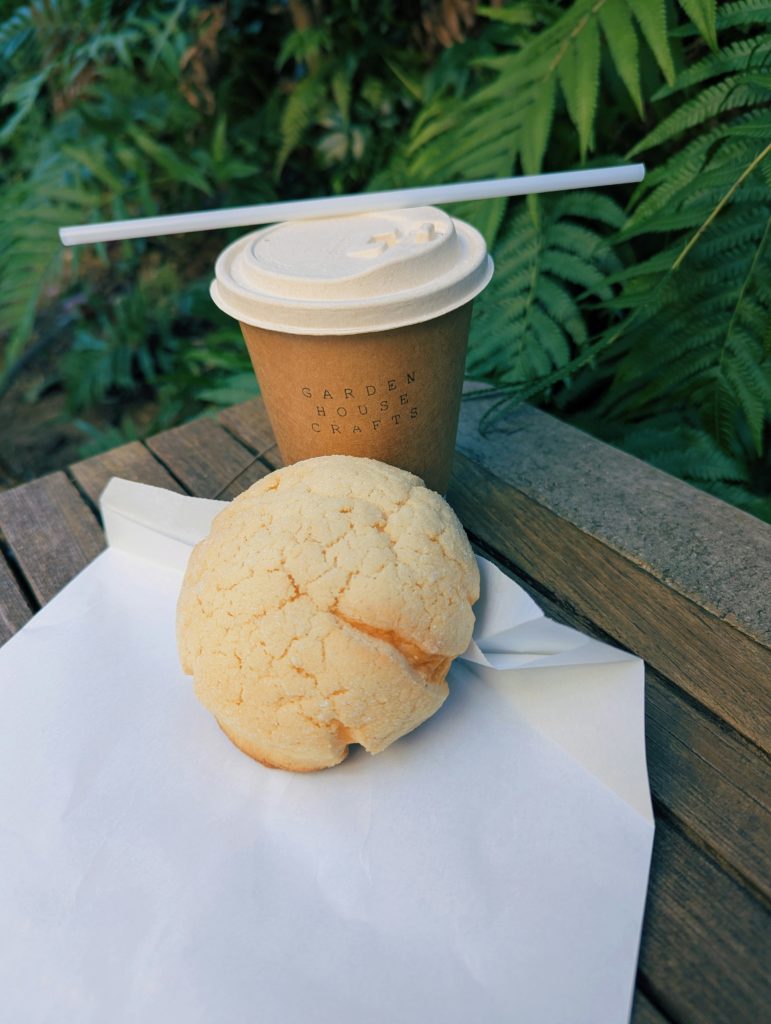
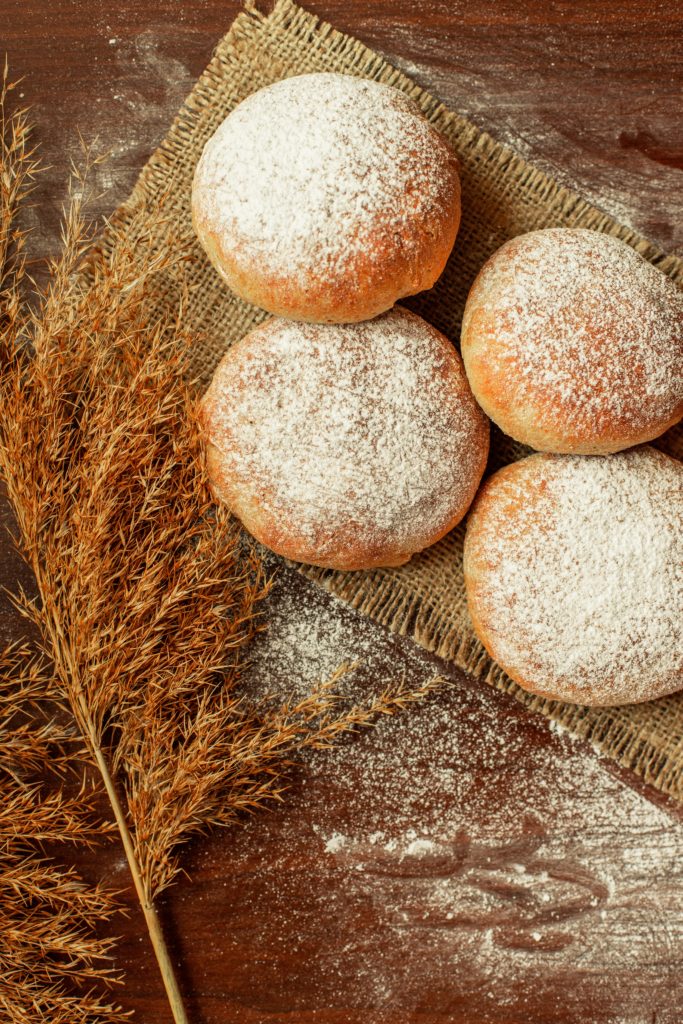
Melon pan is a sweet, round bun with a crunchy cookie crust on top. Despite its name, most melon pan doesn’t contain melon flavor — the name comes from the melon-like pattern on top.
Texture:
Outside: crispy cookie crust
Inside: soft and fluffy
You can find it everywhere:
convenience stores
supermarkets
bakery chains
train stations
スポンサーリンク
Types of Melon Pan
Classic melon pan — sweet + crispy
Melon-flavored melon pan — green, with real aroma
Chocolate-chip melon pan
Custard-filled melon pan
Trying different versions is a fun part of traveling in Japan.
If you’re interested in Japanese food culture, you might also like:
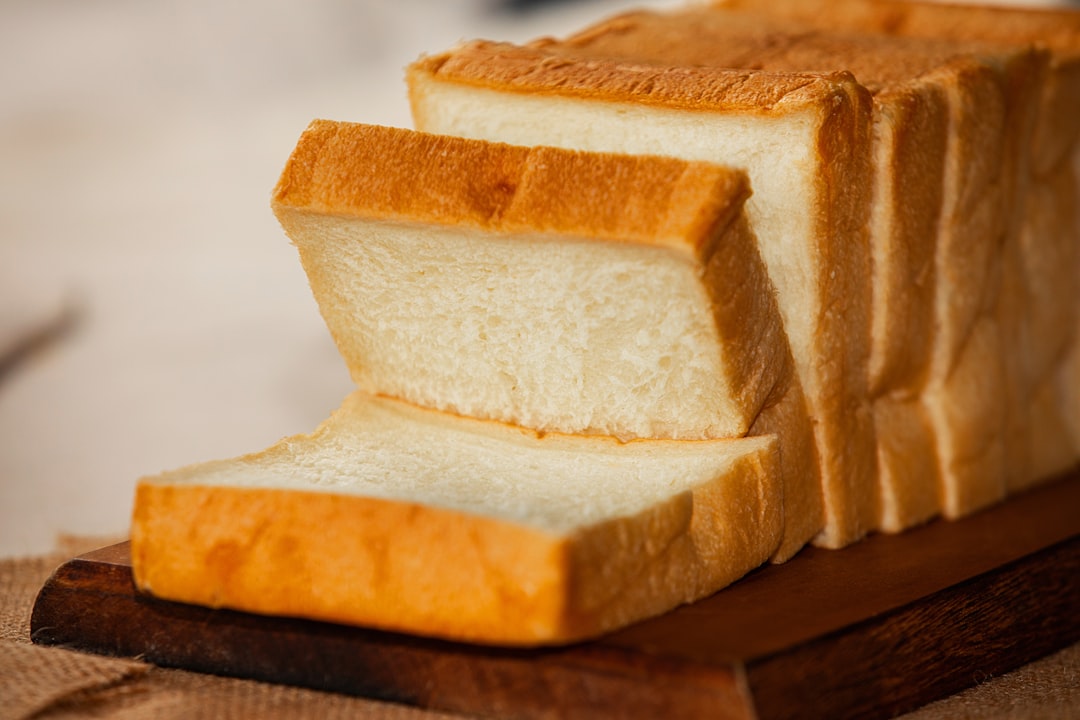
Thick, square, extremely soft. Perfect for breakfast or toast.
2. Curry pan
Deep-fried bread filled with Japanese curry.
3. An-pan
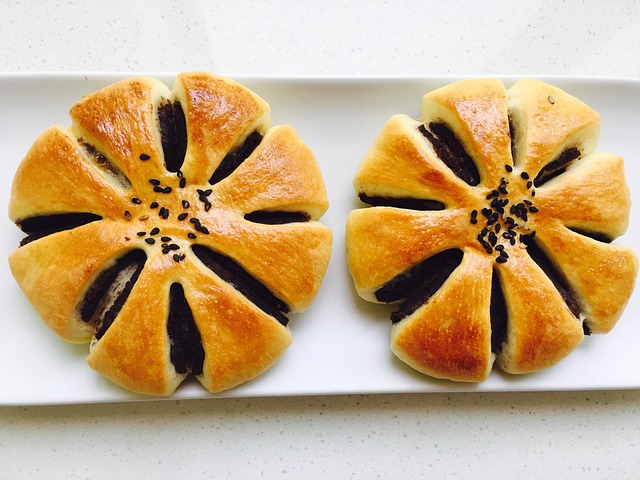
Sweet red-bean bun.
4. Cream pan
Custard-filled soft bread.
5. Tsuna-mayo & savory breads
Japanese bakeries also sell many savory items.
If you are curious about Japanese bakery culture, one of the easiest breads to try at home is anpan, a soft sweet bun filled with red bean paste.
It’s one of the most classic breads you’ll find in Japanese bakeries, and it pairs perfectly with coffee or tea.
If you don’t have a Japanese bakery nearby, you can actually order a Japanese anpan variety pack online and experience several traditional flavors at home.
One of the most noticeable things about Japanese bread is how incredibly soft it is. Even sandwiches sold in the chilled section of convenience stores are surprisingly fluffy and delicious.
Convenience store sandwiches are very popular in Japan. They come with a wide variety of fillings, and many people choose them as a quick and easy lunch. They’re also a favorite among foreign visitors, who are often surprised by the quality and softness of the bread.
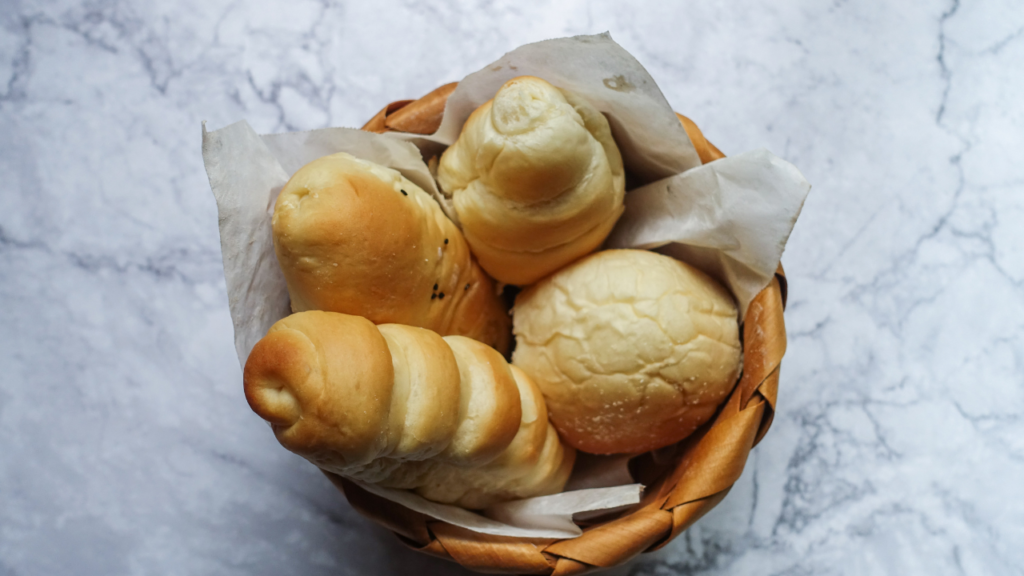
Japanese bakeries also offer a wide range of unique breads. Some are sweet, filled with cream or anko (sweet red bean paste), while others are more savory and filling. It’s common to find breads stuffed with ingredients like croquettes or even yakisoba, turning them into a satisfying meal rather than just a snack.
Try Japanese Bakery Bread at Home
If you want to experience Japanese bakery flavors without traveling to Japan, this Hokkaido Anpan Variety Pack is a fun place to start.
The set includes several traditional Japanese flavors such as:
• Red Bean • Matcha • Black Sesame • Pumpkin • Coffee
Each bun is soft, lightly sweet, and inspired by breads you would find in a Japanese bakery.
It’s a great snack with tea, coffee, or even as a light dessert.
The filling inside anpan is anko, a sweet red bean paste that’s very common in Japan. It’s the same ingredient used in traditional sweets like ohagi and dango, and many visitors to Japan try it during their trip.
The taste can be a bit unique if you’ve never had it before, so people tend to either love it or not enjoy it very much.
Most anko is made from azuki beans grown in Hokkaido, which is famous for producing high-quality red beans. Because of this, anpan made with Hokkaido azuki has become a popular souvenir.
If you travel in Japan—especially in Hokkaido—you’ll often see these buns sold in bakeries and souvenir shops, and many travelers pick them up to try a classic Japanese sweet bread.
This post contains affiliate links. If you click on one and make a purchase, I may receive a small commission at no extra cost to you. Thank you for supporting my blog!


コメント