Japanese anime is loved all around the world. But did you know that many anime characters have completely different names in Japanese and English?
From Pokémon to Studio Ghibli, these name changes are not random—they reflect culture, language, and even humor.
In this article, you’ll discover:
Why anime names change in translation
Fun comparisons between Japanese and English names
And some must-have anime items you can get online
What Does “Otaku” Really Mean?
The word “otaku” originally comes from Japan and refers to people who are deeply passionate about something, especially anime, manga, or games.
While it sometimes has a negative image in Japan, today it can simply mean someone who is knowledgeable and dedicated.
Why Anime Names Change
Anime names are often changed to:
Make pronunciation easier
Fit cultural context
Sound more natural in English
Sometimes, the meaning changes completely—and that’s what makes it interesting.
Pokémon Name Differences
Here are some famous examples of how Pokémon names change between Japanese and English:
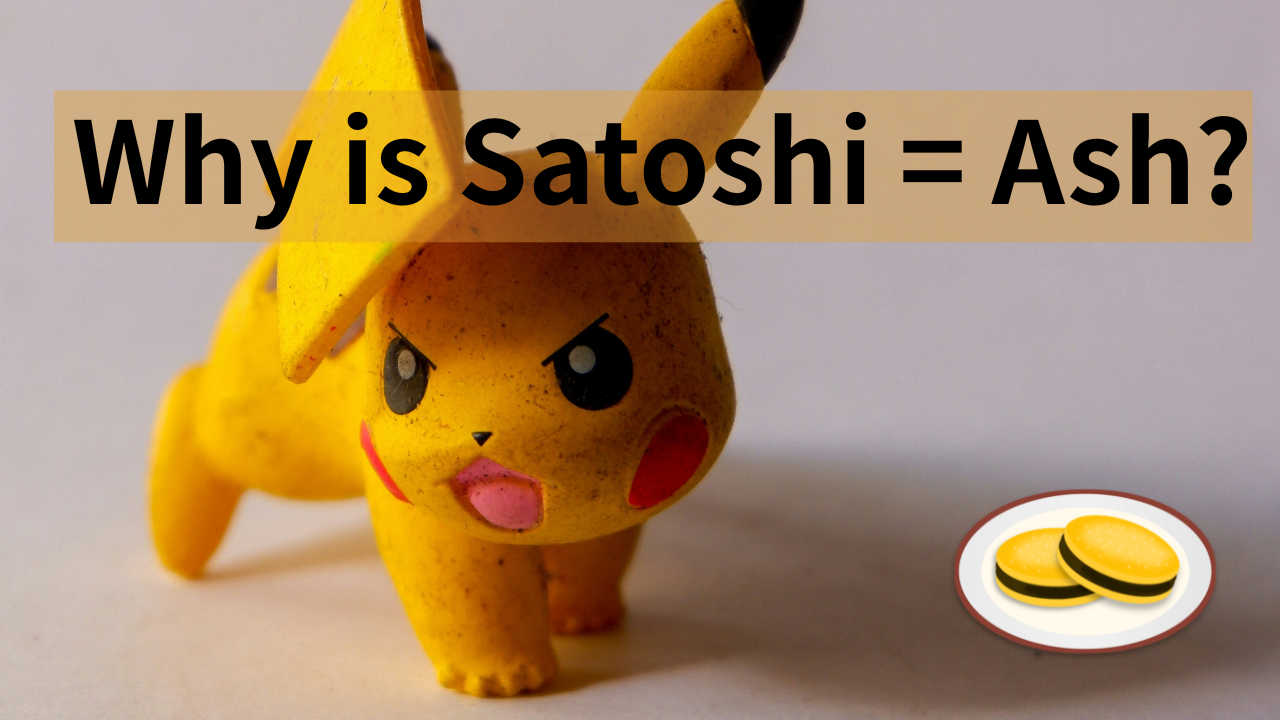
Satoshi → Ash Ketchum
Purin → Jigglypuff
Pukurin → Wigglytuff
Hitokage → Charmander
Lizardo → Charmeleon
Lizardon → Charizard
Zenigame → Squirtle
Coilu → Magnemite
One interesting case is Farfetch’d.
In Japanese, it’s called Kamonegi (duck + green onion). This comes from a Japanese proverb meaning “an opportunity that’s too good to be true.”
👉 These name differences show how language and culture shape the way we experience Pokémon.
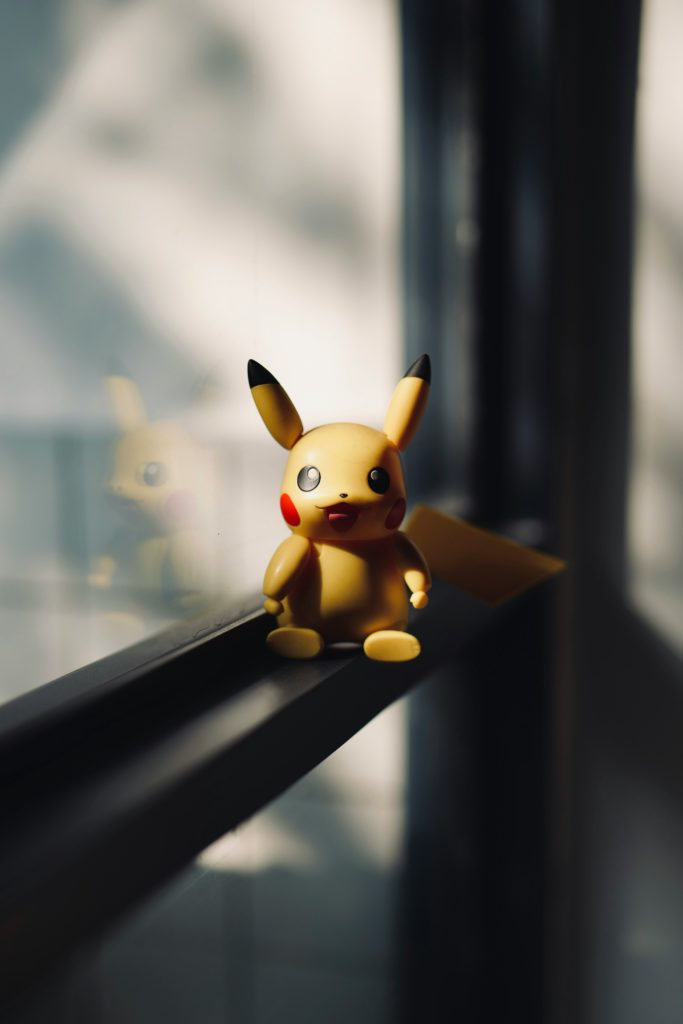
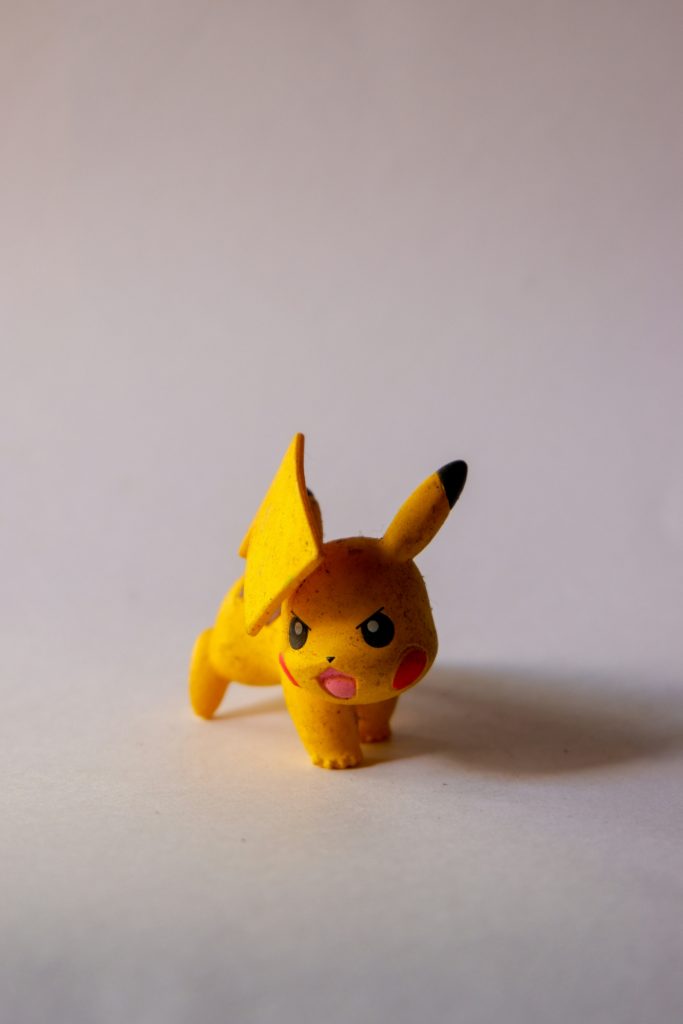
If you love Pokémon, this is something special. This Pikachu & Eevee T-shirt features a unique Japanese-style design you won’t usually find outside Japan. It’s perfect for everyday wear—and a great way to show your love for Japanese culture. It also makes a perfect gift for anime fans.
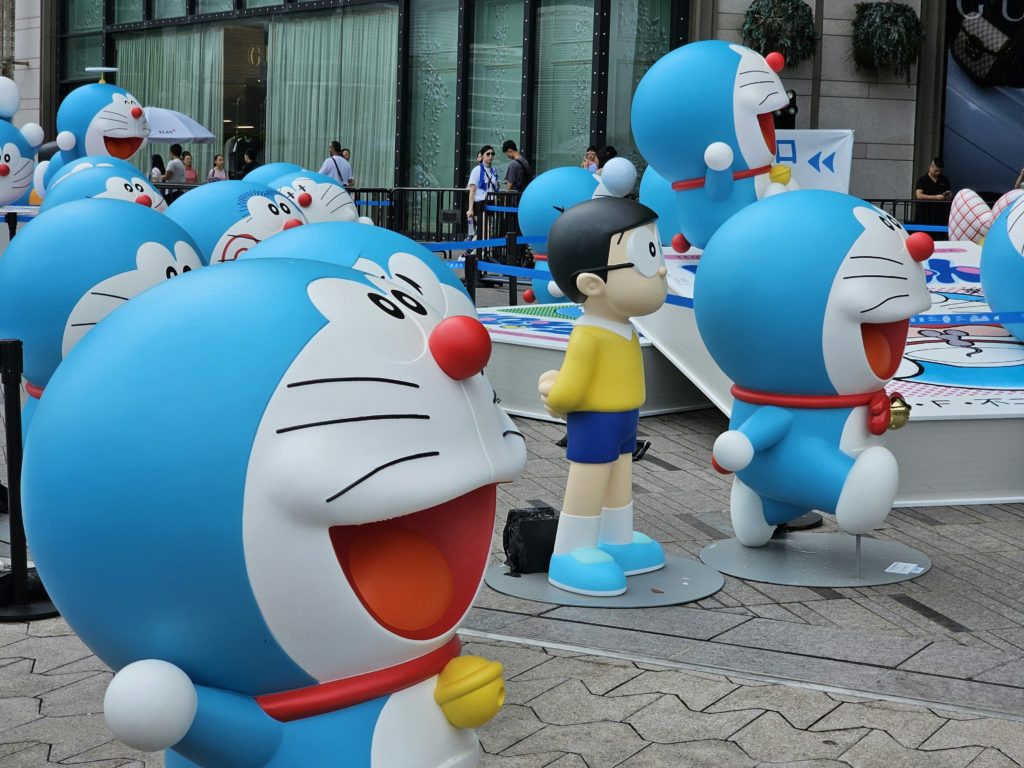
Doraemon’s favorite food, dorayaki (sweet red bean pancakes), was translated as “yummy bun” in English. Some scenes were even adjusted in the US version due to health concerns.
👉 These small changes show how anime is carefully adapted for different cultures.
Want to try what Doraemon loves? This is real Japanese dorayaki—soft pancakes filled with sweet red bean paste. A perfect way to experience authentic Japanese snacks at home. It also makes a fun and unique gift for anime fans.
Detective Conan is known as Case Closed in English. In Japan, people simply call it Conan.
Interestingly, many character names were completely changed in the English version. They sound so Western that you might not even realize the story is originally Japanese.
Here are some examples:
Shinichi Kudo → Jimmy Kudo
Ran Mouri → Rachel Moore
Kogoro Mouri → Richard Moore
These changes were made to make the characters more familiar to English-speaking audiences.
👉 It’s a great example of how anime is adapted across cultures—not just translated.
Studio Ghibli Titles
Studio Ghibli movies are beautiful in any language:
千と千尋の神隠し → Spirited Away
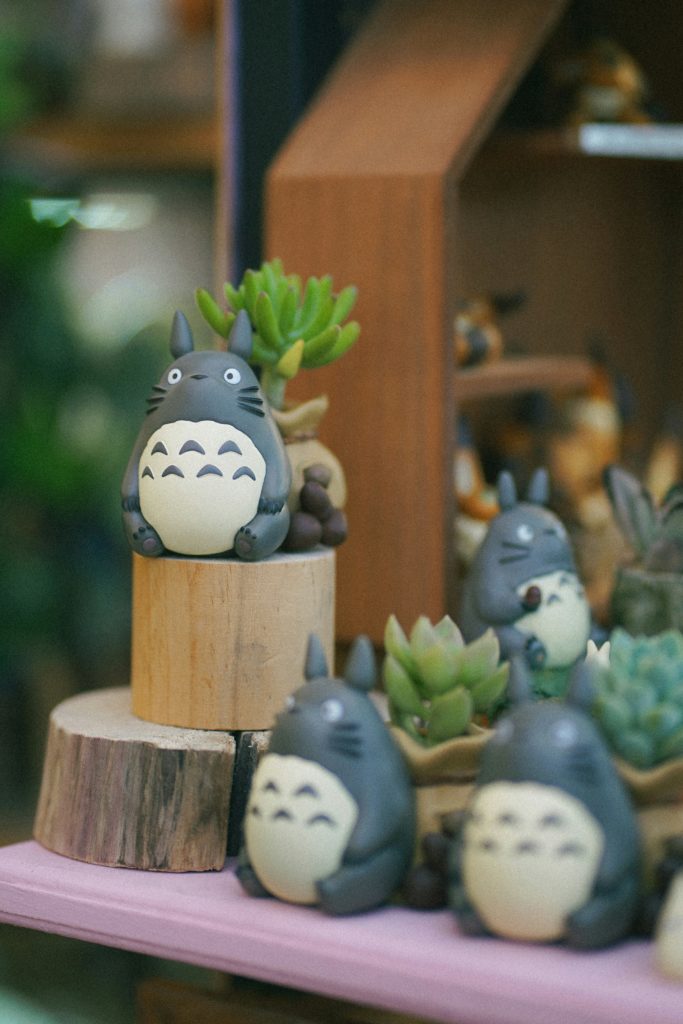
となりのトトロ → My Neighbor Totoro
By the way… Is Totoro really a “neighbor”? Not exactly 😂
Also:
Satsuki = May
Mei = May
Both sisters have names related to the same month!
Conclusion
Anime is not just entertainment—it’s a mix of language, culture, and creativity.
Name differences make anime even more interesting, especially when you understand the meaning behind them.
Some anime keep their original character names even in English—like Jujutsu Kaisen, Attack on Titan, Dragon Ball, Naruto, and Neon Genesis Evangelion.
Each version has its own charm. So, which do you prefer—original Japanese names or English versions?
If you love anime, check out some unique items inspired by your favorite series.
This post contains affiliate links. If you click on one and make a purchase, I may receive a small commission at no extra cost to you. Thank you for supporting my blog!



コメント